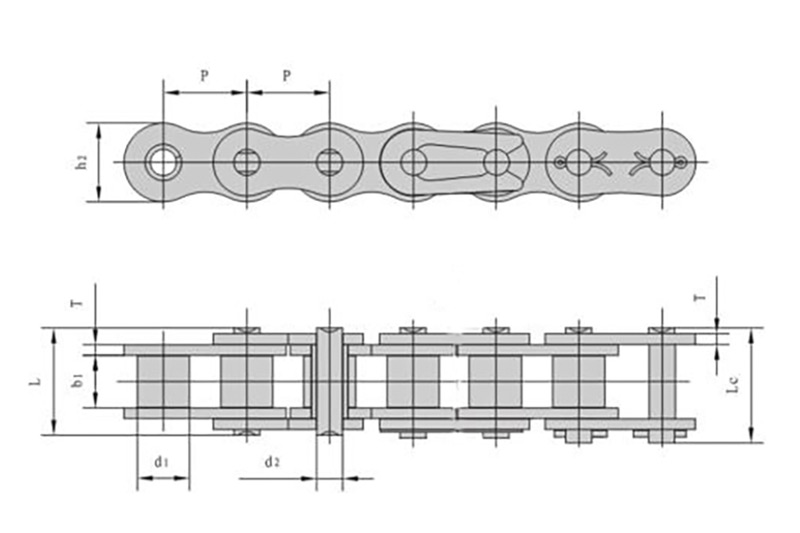
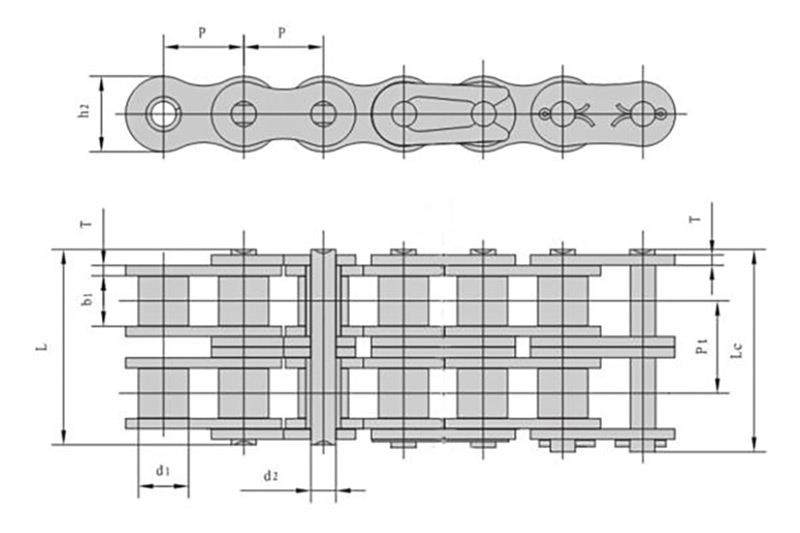
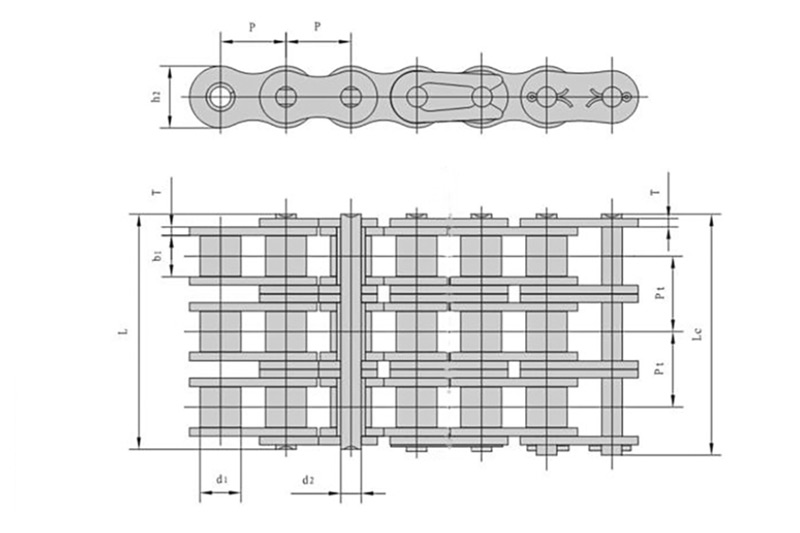
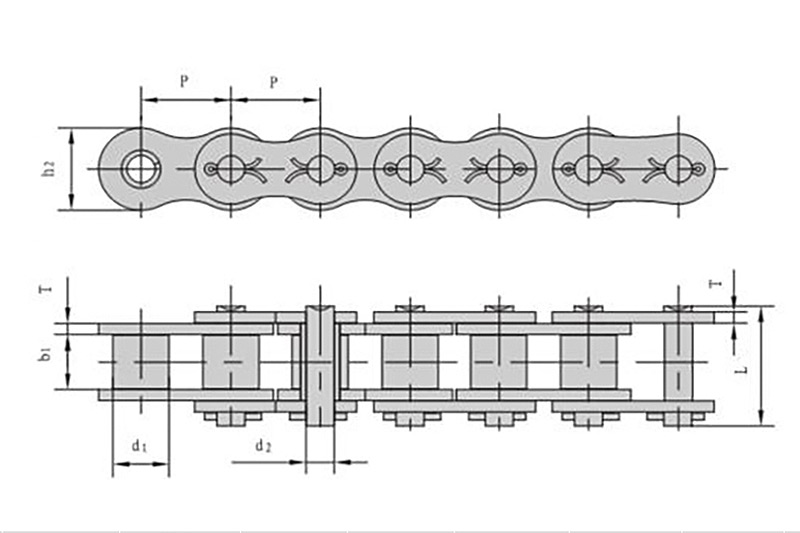
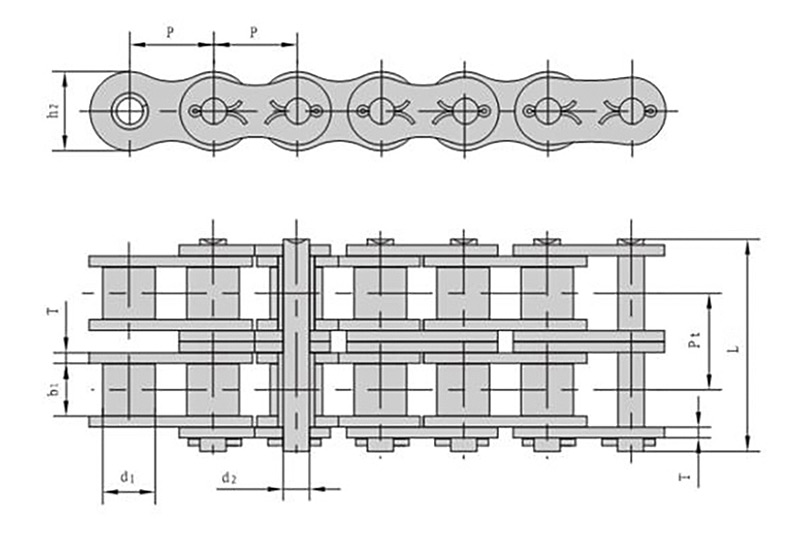
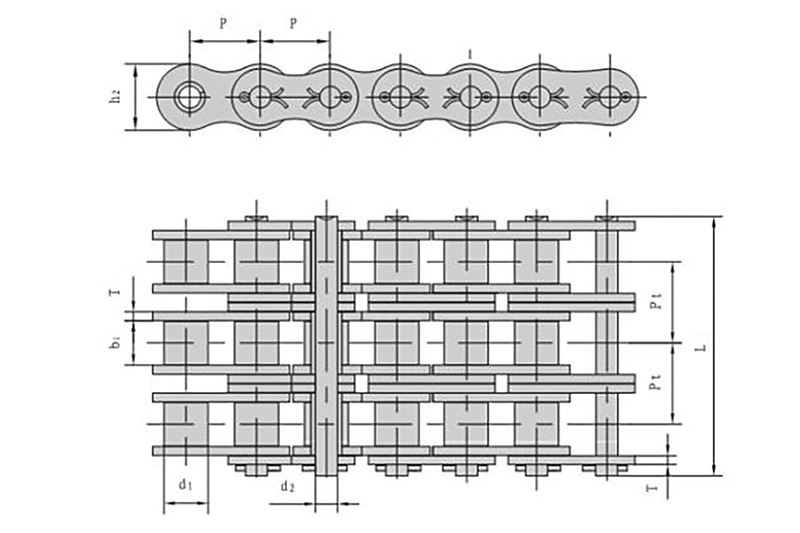
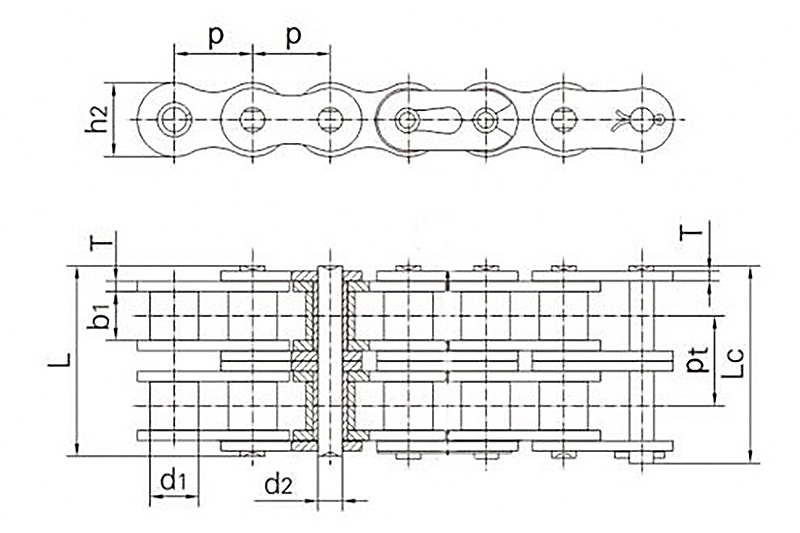
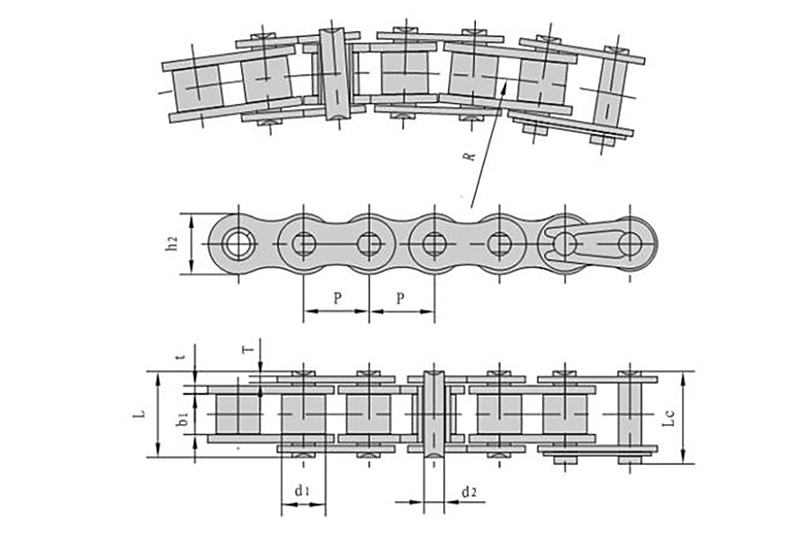
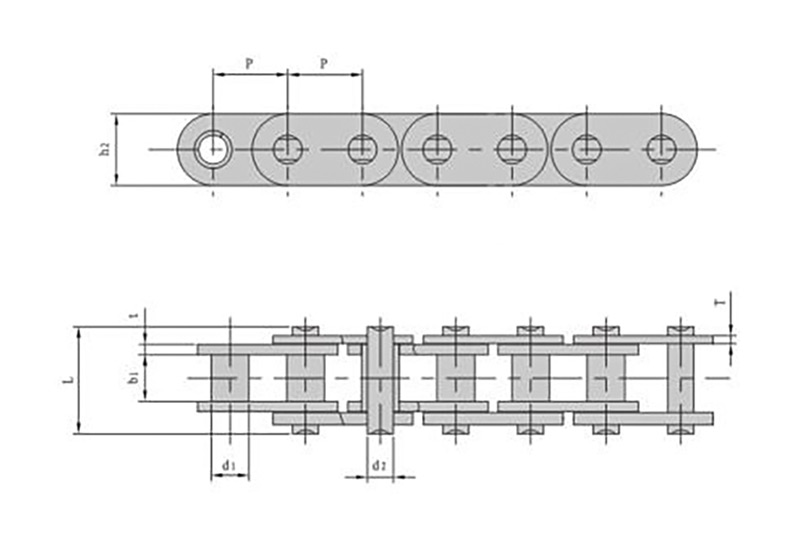
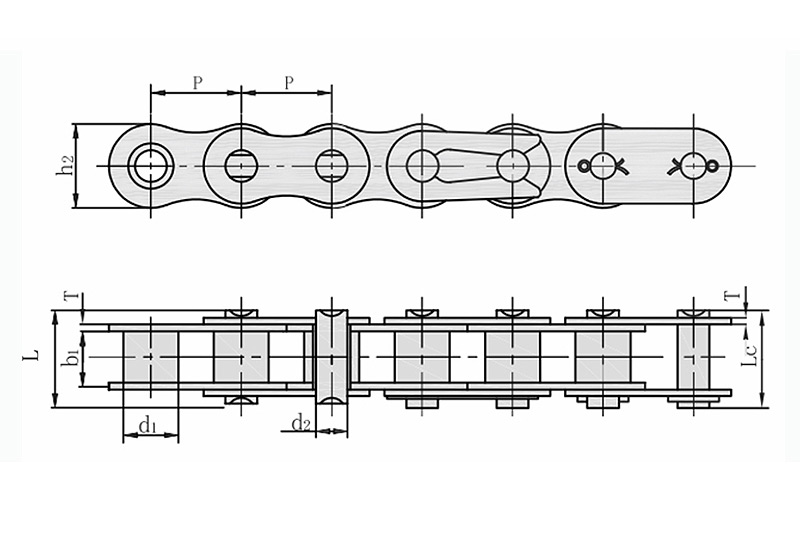
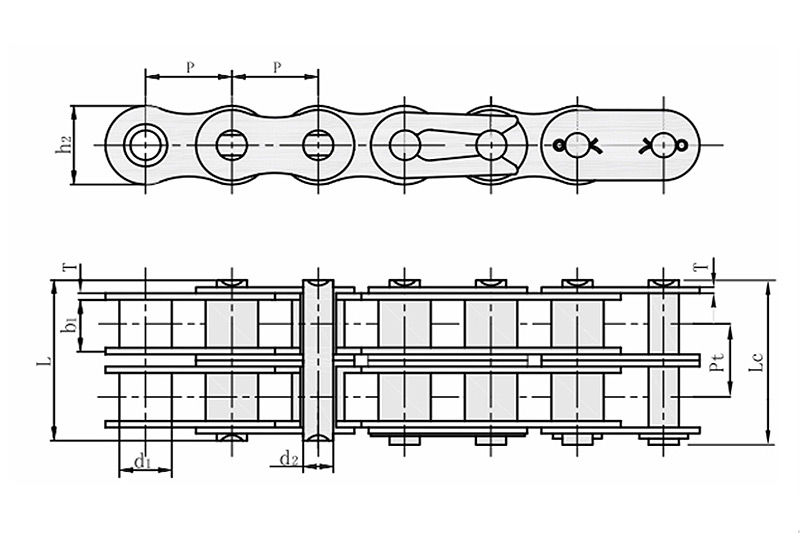
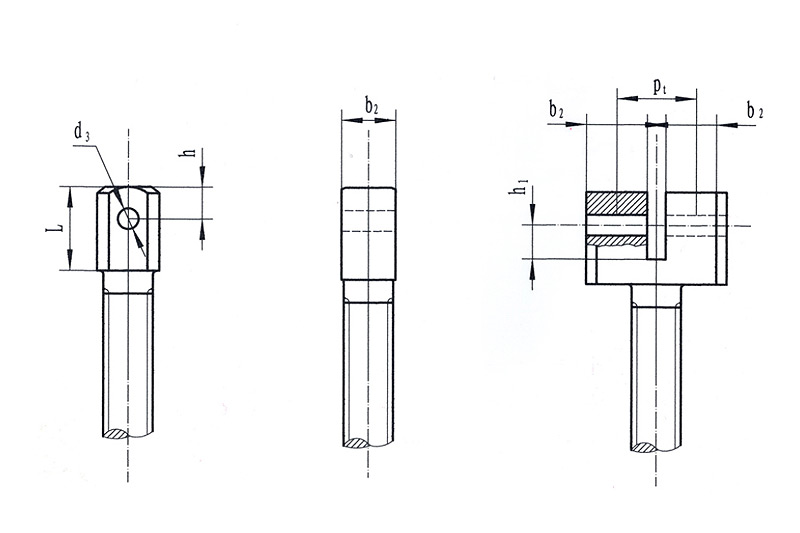
To measure roller chain size, you need three dimensions: pitch (the distance between link centers), roller diameter, and inner link width (the space between the inner plates). Pitch is the most important — it is the number used to identify most standard chain sizes. For a #40 chain, pitch is exactly 1/2 inch (12.70 mm...
READ MOREOverview of 2060 and 2080 Series Roller Chains 2060, 2060H, 2080, 2080H, 2082, and 2082H roller chains are designed for high-load industrial applications where durability and precision are critical. These chains are commonly used in heavy machinery, conveyors, and automotive systems where reliable power transmission i...
READ MOREFunctional Role of Agricultural Chains in Farm Machinery Agricultural chains are essential transmission and conveying components used in a wide range of farming equipment, including combines, balers, feed mixers, manure spreaders, and grain handling systems. These chains transfer mechanical power, synchronize rotating ...
READ MORERoller chains are one of the most common and reliable types of mechanical power transmission devices. They are designed to efficiently transfer power between sprockets in a wide variety of machines, from industrial conveyors to motorcycles. Roller chains are made of several components, including the chain links, rollers, pins, and bushings, each working together to ensure smooth and durable operation.
Roller chains are used in a wide variety of industries, offering durability and versatility. They are commonly found in industrial equipment, agricultural machinery, and transportation systems. Below are some key applications:
In industrial environments, roller chains are used in conveyors, packaging machines, and other automated systems to transmit mechanical power efficiently.
Agricultural machinery, such as tractors, combines, and harvesters, often rely on roller chains to transfer power from the engine to other mechanical systems like wheels and harvesters.
Roller chains are also widely used in bicycles, motorcycles, and other vehicles to transmit power from the engine to the wheels, ensuring smooth and reliable movement.
Multi-strand roller chains are a variation of the standard roller chain, designed to handle higher loads or allow for more precise power distribution. They consist of two or more strands of roller chains operating in parallel, making them more efficient for applications requiring greater load capacity or longer service life.
Multi-strand roller chains are commonly used in heavy-duty applications where the standard roller chain may not provide adequate power transmission. Some typical uses include:
Proper maintenance is crucial to ensure the longevity and efficient operation of both roller chains and multi-strand roller chains. Regular maintenance practices include:
Regular lubrication of roller chains helps reduce friction and prevent wear on the chain components. It’s important to use the correct type of lubricant based on the chain's application.
Keeping the chain properly tensioned is essential to avoid unnecessary wear and tear. An overly tight or loose chain can lead to premature failure of components.
Frequent inspections are necessary to identify any early signs of wear or damage. Look for signs of elongation, broken links, or excessive wear on the sprockets and rollers.