
 Eng
Eng  中文简体
中文简体Submit feedback
Roller Chains Suppliers
-
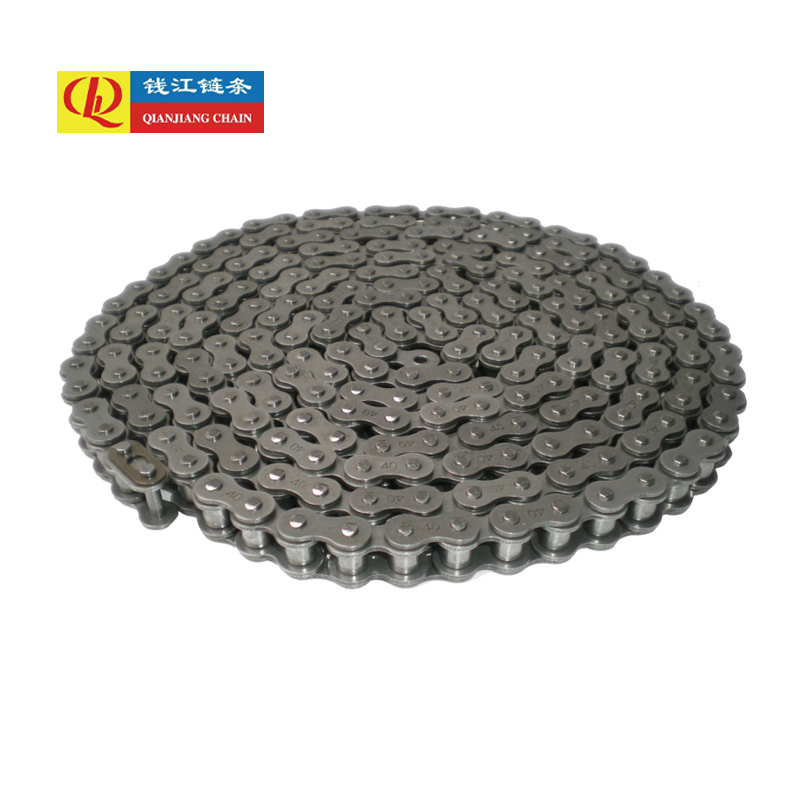
Short pitch precision roller chains ( A series )
Product Introduction: Precision roller chains, particularly in the A-series, are engineered for high... -
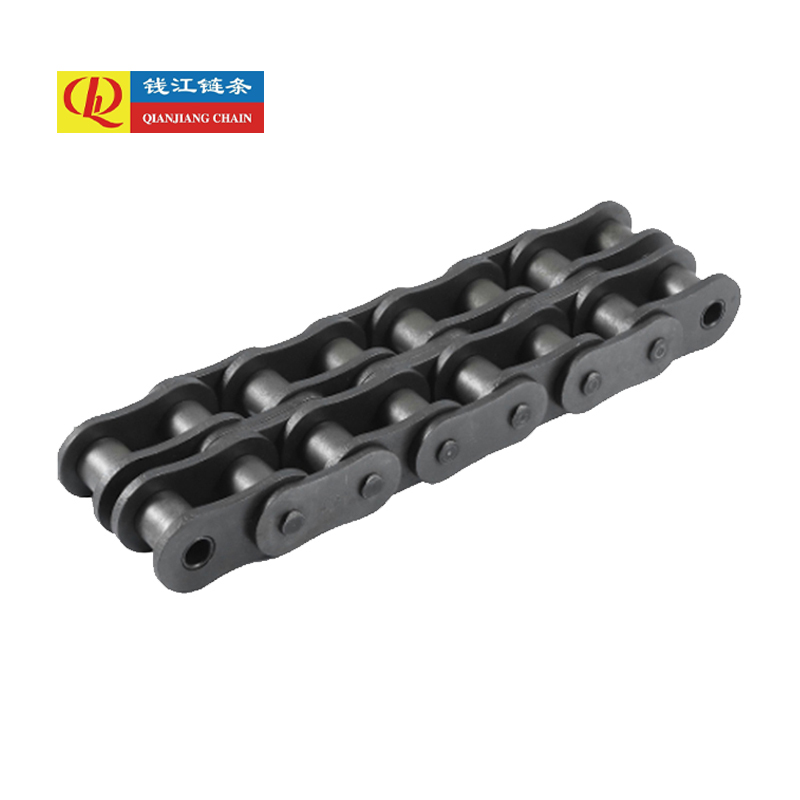
Roller chains with straight side plate ( A series )
Product Introduction: Roller chains with straight side plates (A series) are designed for durability... -
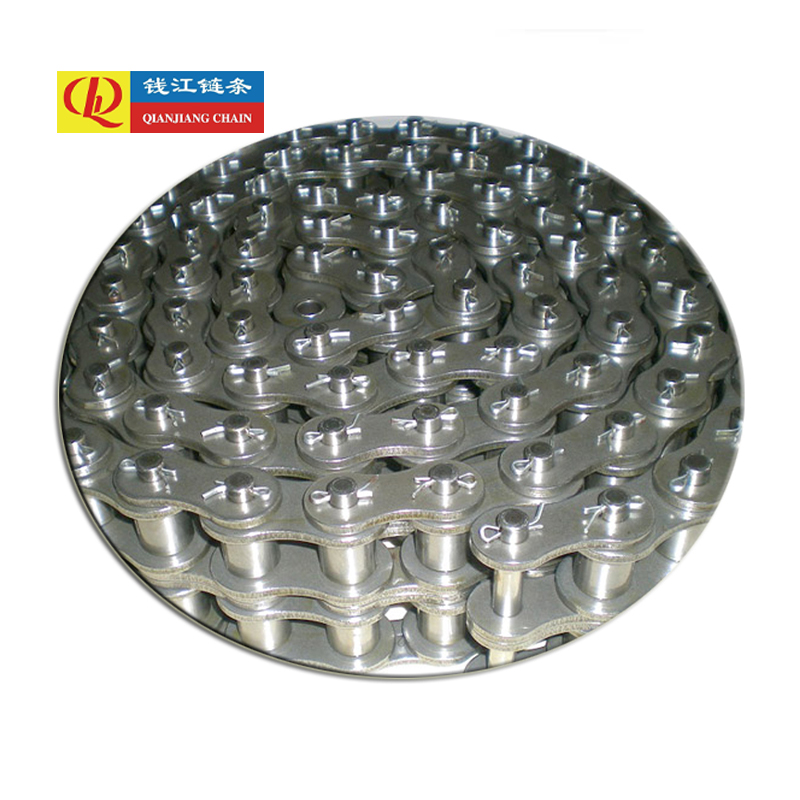
Cottered type short pitch precision roller chains ( A series )
Product Introduction: Cottered Type Short Pitch Precision Roller Chains (A Series) are the ultimate ... -
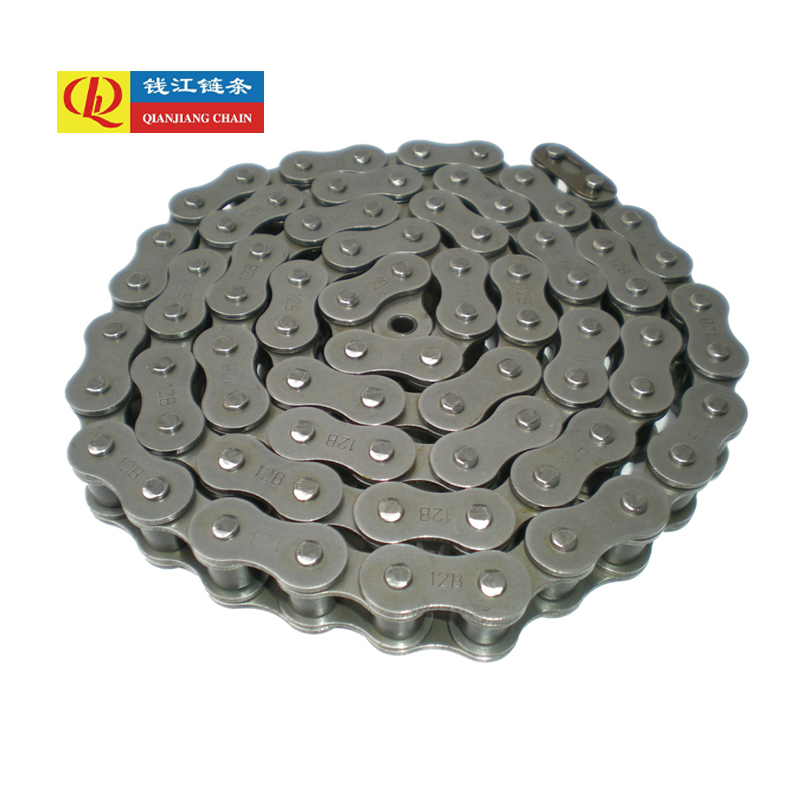
Short pitch precision roller chains ( B series )
Product Introduction: Short Pitch Precision Roller Chains (B Series) are engineered to deliver excep... -
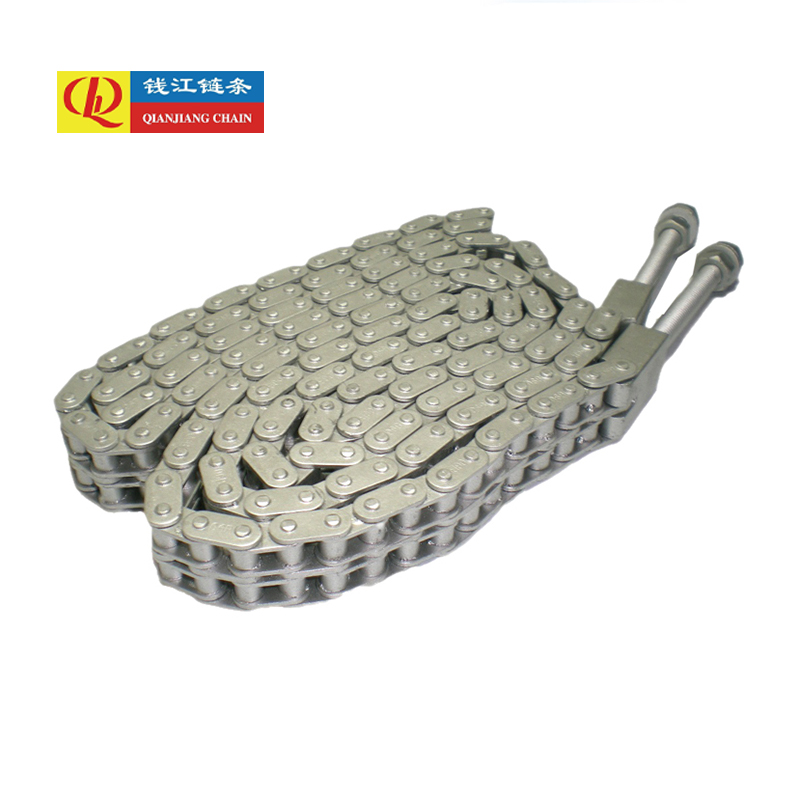
Roller chains with straight side plate ( B series )
Product Introduction: Roller Chains with Straight Side Plates (B Series) are designed to deliver unm... -
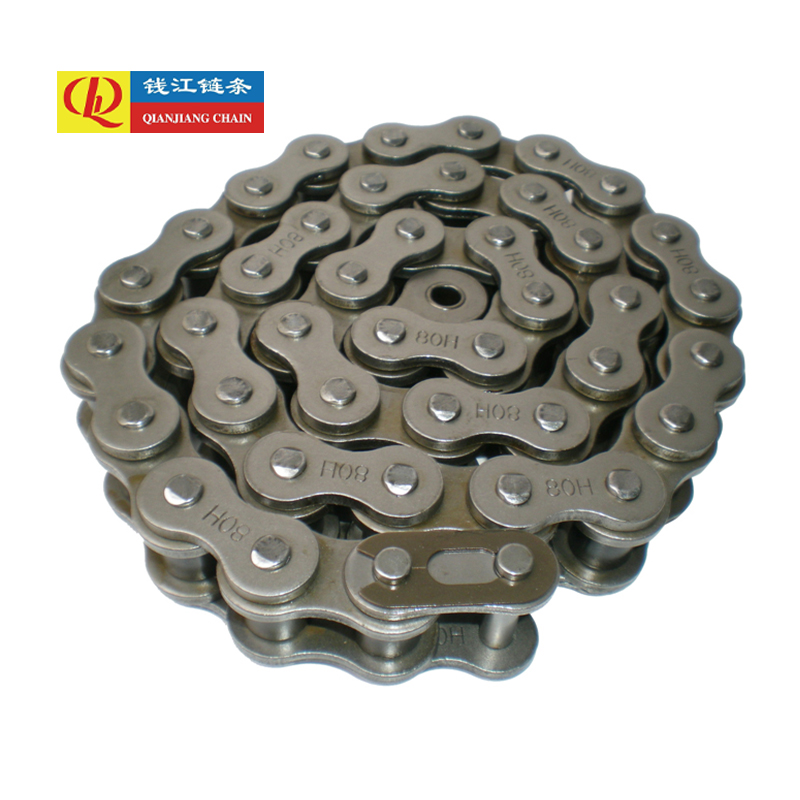
Heavy duty series type roller chains
Product Introduction: When it comes to reliable and versatile mechanical power transmission, Heavy D... -
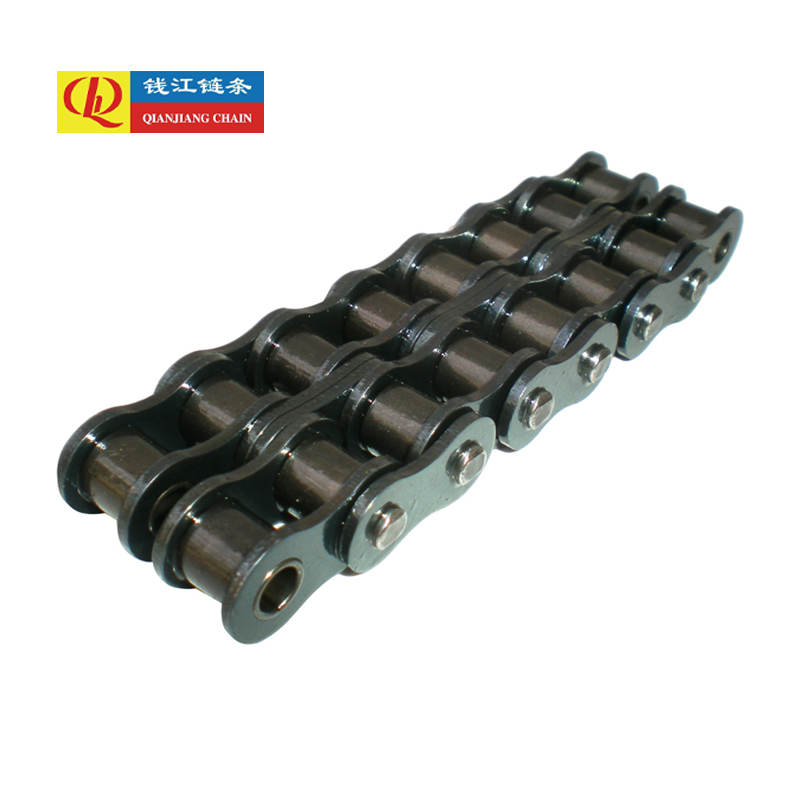
Corrosion resistant high reliability coupling chains
Product Introduction: Corrosion-resistant high-reliability coupling chains are engineered for durabi... -
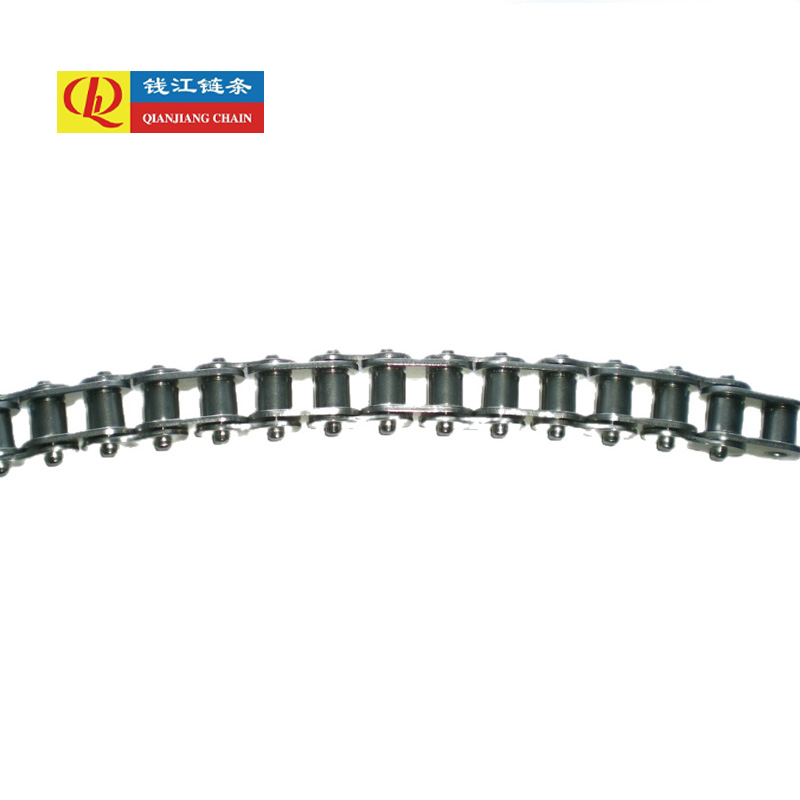
Stable performance durable side bow chains
Product Introduction: Stable Performance Durable Side Bow Chains are the choice for industries that ... -
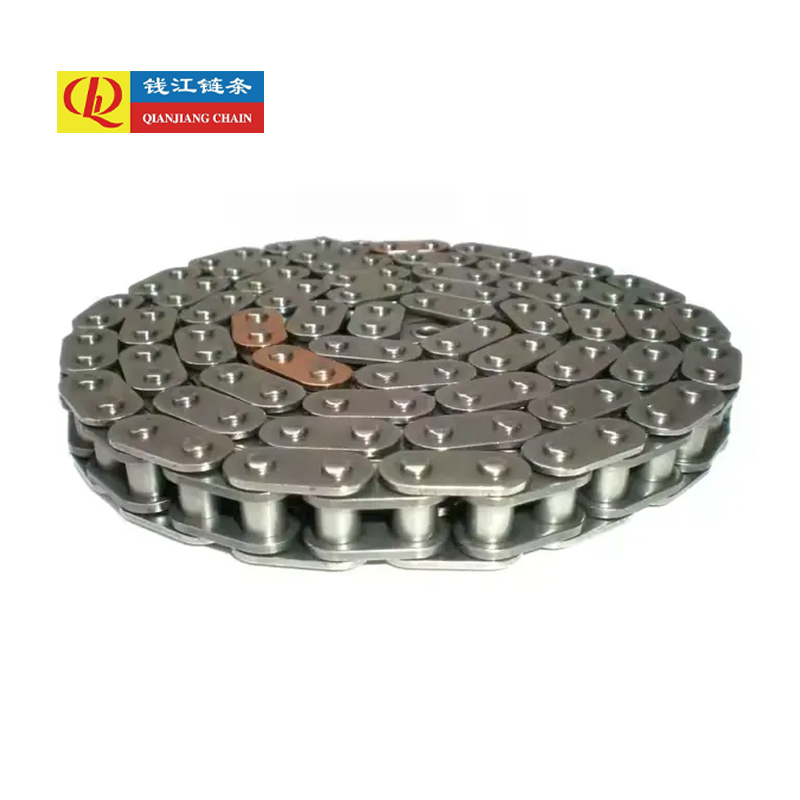
Impact resistance customizable automobile engine timing chains
Product Introduction: Impact Resistance Customizable Automobile Engine Timing Chains are engineered ... -
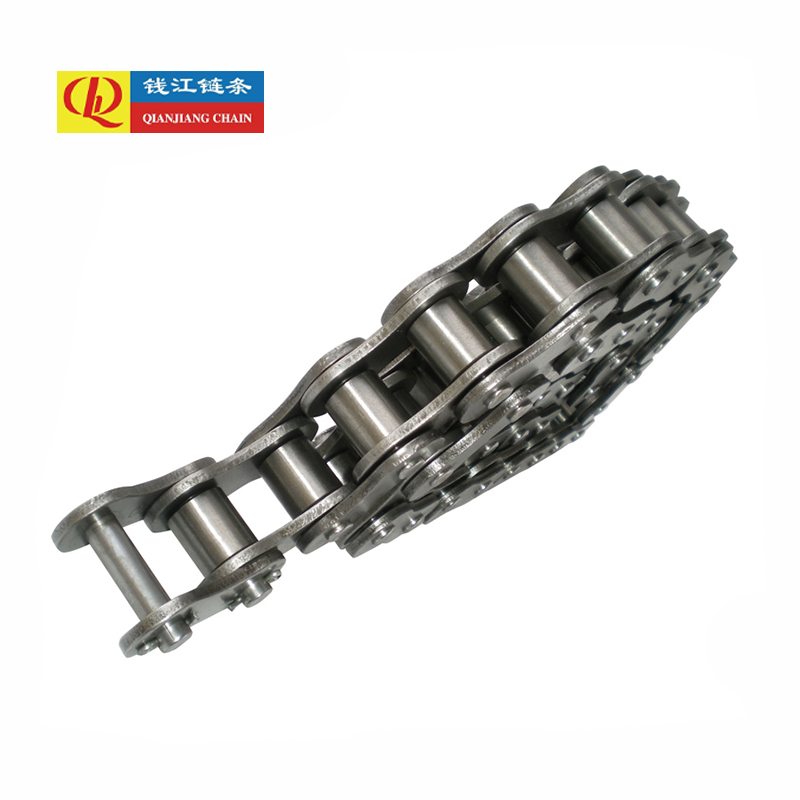
High Tensile Strength Car parking chain
Product Introduction: Car Parking Chains are the ultimate solution for creating secure, efficient, a... -
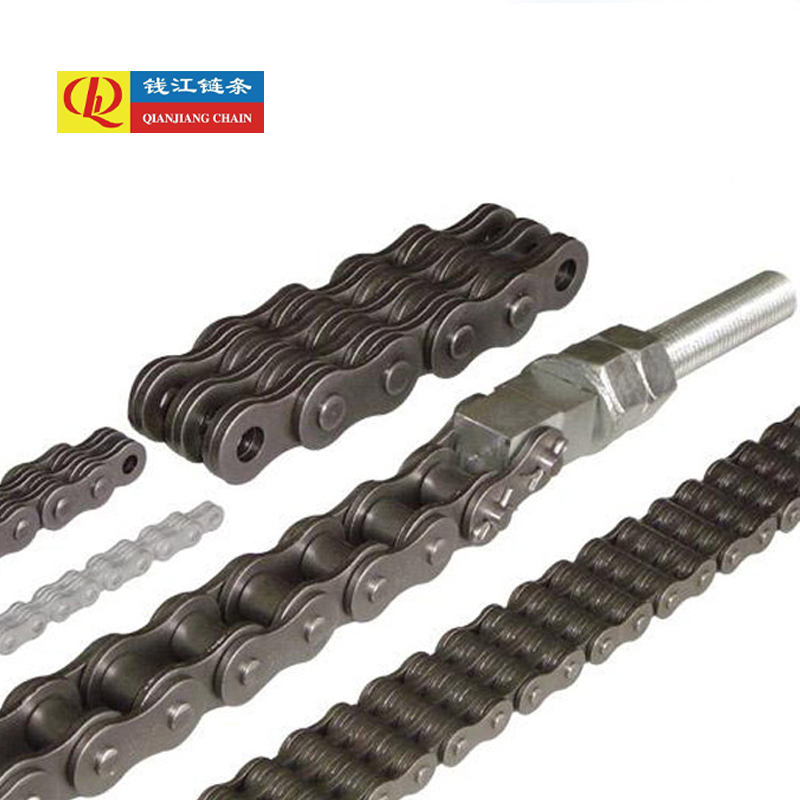
Car parking chain's connector and the connecting way
Product Introduction: The connectors and connecting methods of Car Parking Chains are the backbone o... -
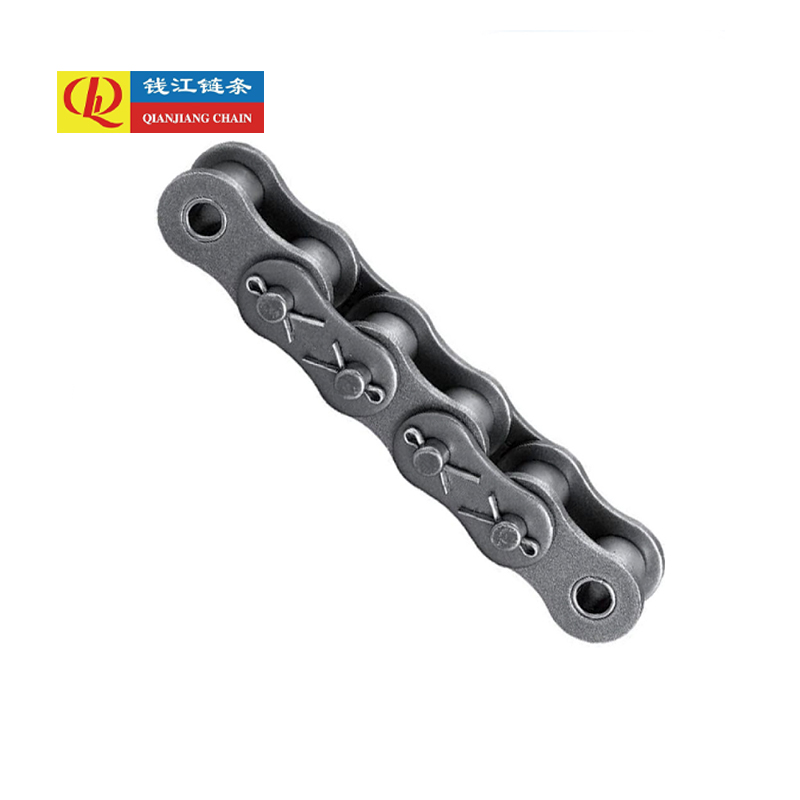
Heavy duty series cottered type roller chains
Product Introduction: The Heavy Duty Series Cottered Type Roller Chains are engineered for demanding...
Qianjiang Chain offers a diverse portfolio of roller chain types to support an extensive range of applications. Our standard product offerings include single-strand, double-strand, and multi-strand roller chains, as well as heavy-duty and silent chains. For more specialized needs, we also provide custom-designed roller chains such as corrosion-resistant chains, self-lubricating chains, and chains with attachments or extended pins. The transmission efficiency of roller chain is as high as 98%, which is suitable for high-speed and high-load operation. The structure is strong and can withstand large tension and impact loads. Compared with belt drive, roller chain saves more space and is suitable for occasions with limited installation space. It will not slip, the transmission ratio is constant, and it is suitable for high-precision working conditions.
About Us
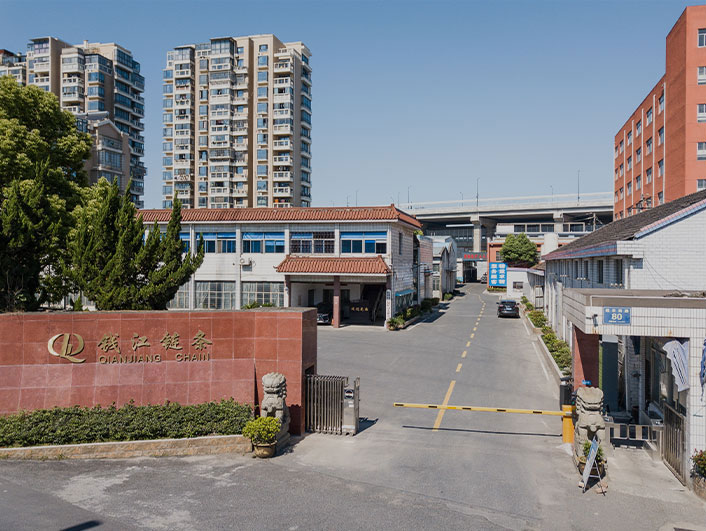
Hangzhou Qianjiang Chain Industries Co., Ltd.
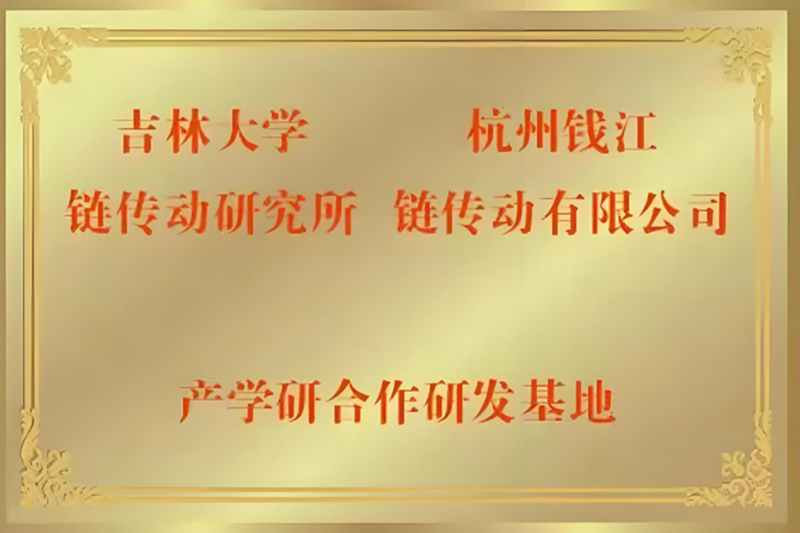
Hangzhou Qianjiang Chain Industries Co., Ltd. was founded in 1987, as China Roller Chains Suppliers and Multi-strand Roller Chains Company, specializing in the production of A.B series precision roller chains, motorcycle special chains and high-end oil seal chains, all kinds of logistics transportation machinery chains, dustproof and waterproof industrial oil seal chains and agricultural machinery chain, lifting machine chain, silent tooth transmission chain, steples transmission chain, intelligent door and window bending chain, stainless steel chain, non-standard special chain and sprocket. Since 1991, in cooperation with Jilin University of Technology chain Transmission Research Institute of China chain Research Institute, the PIV steples transmission chain and CL series silent tooth chain have been optimized and upgraded, the high-end motorcycle oil seal chain and heavy-duty series precision roller chain have been developed, and the cooperation of production, learning and research has been established.
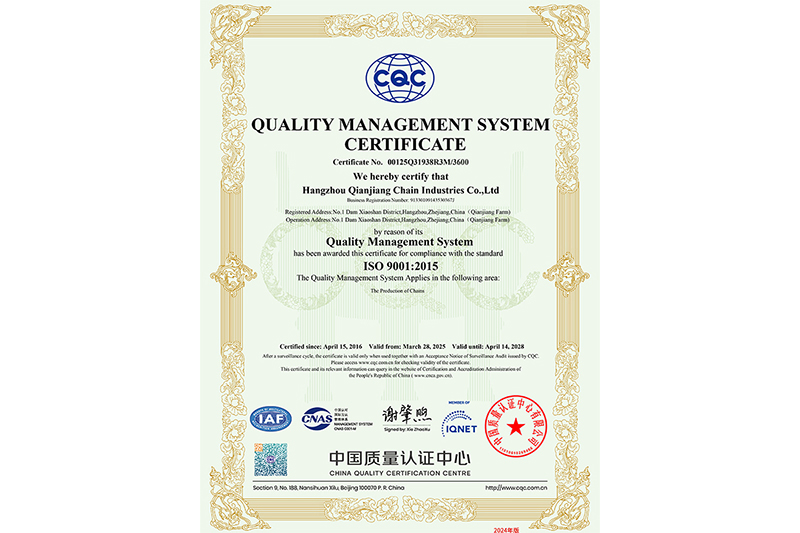
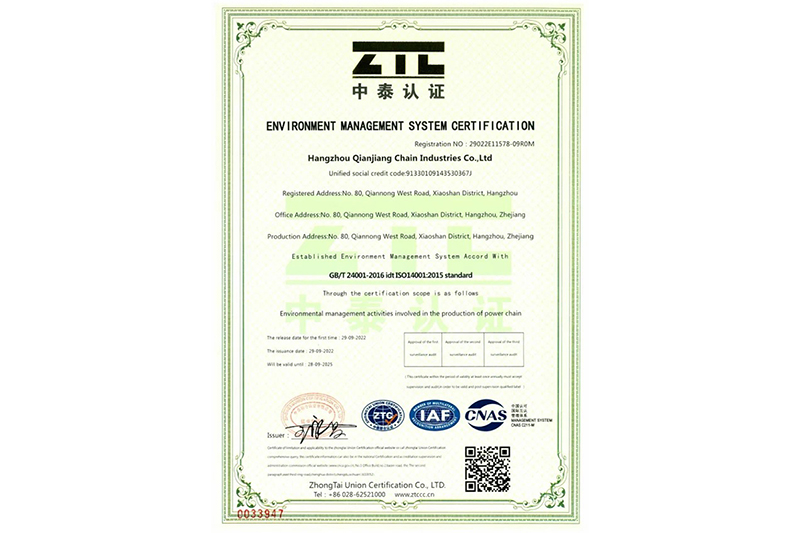
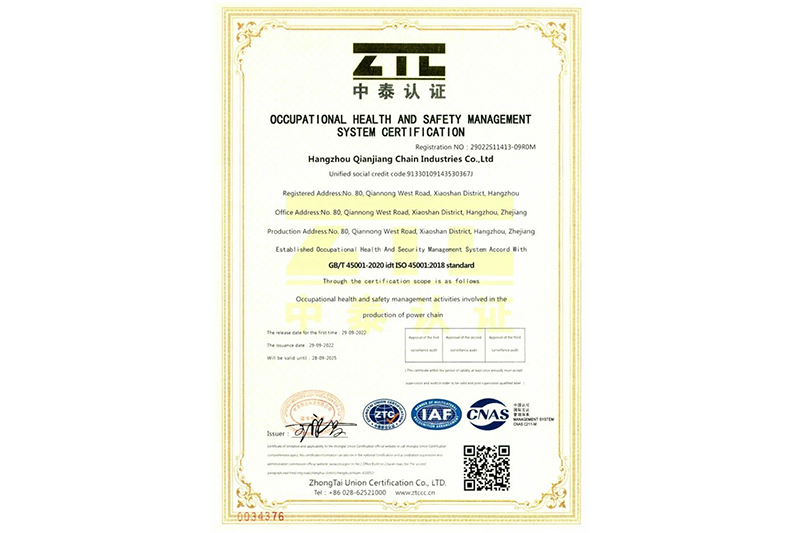
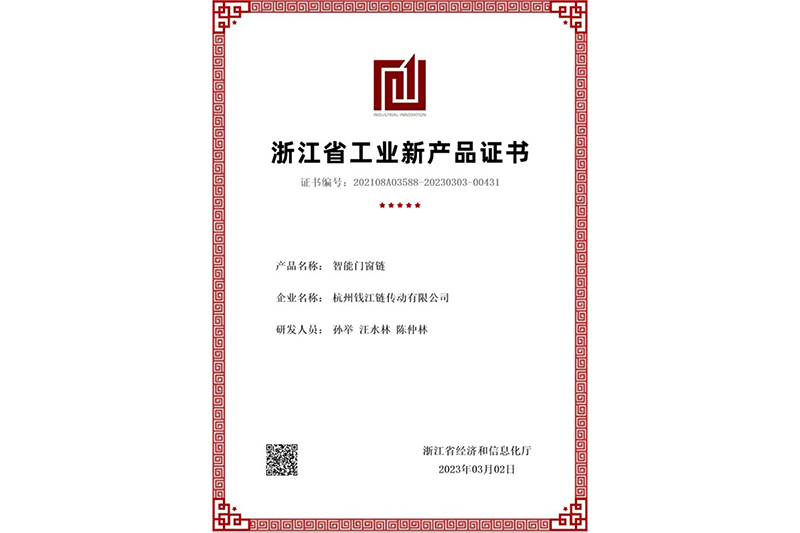
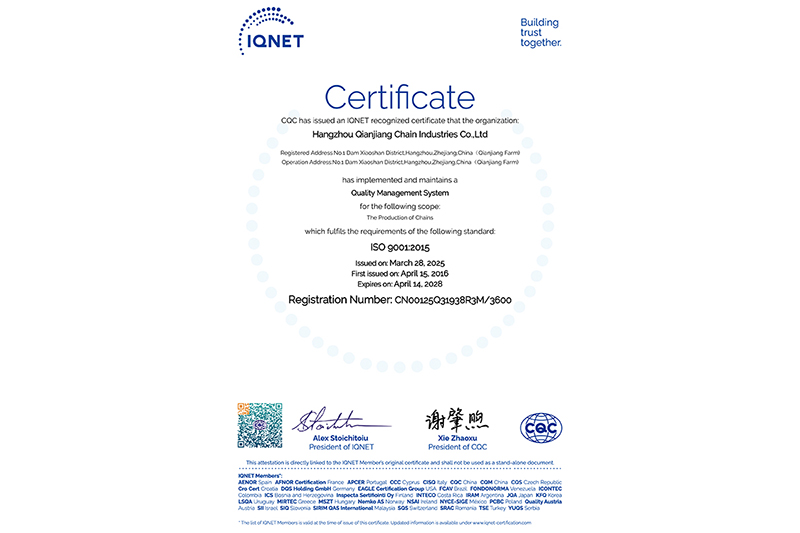
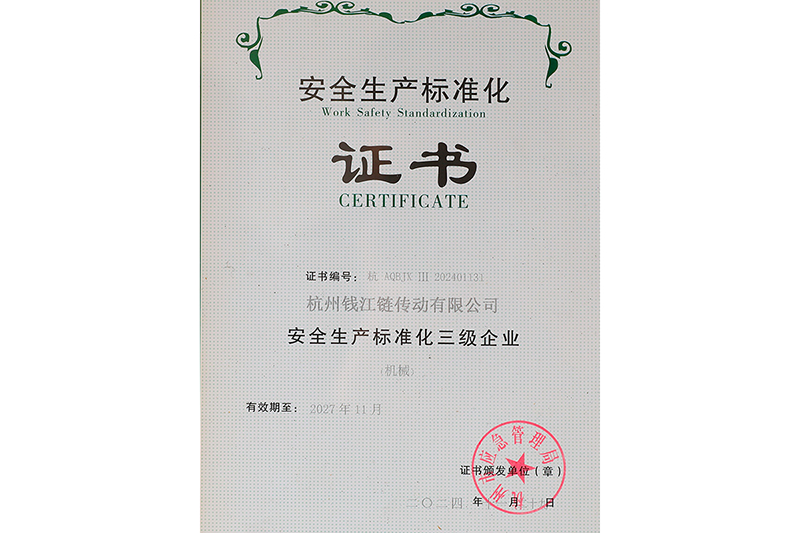
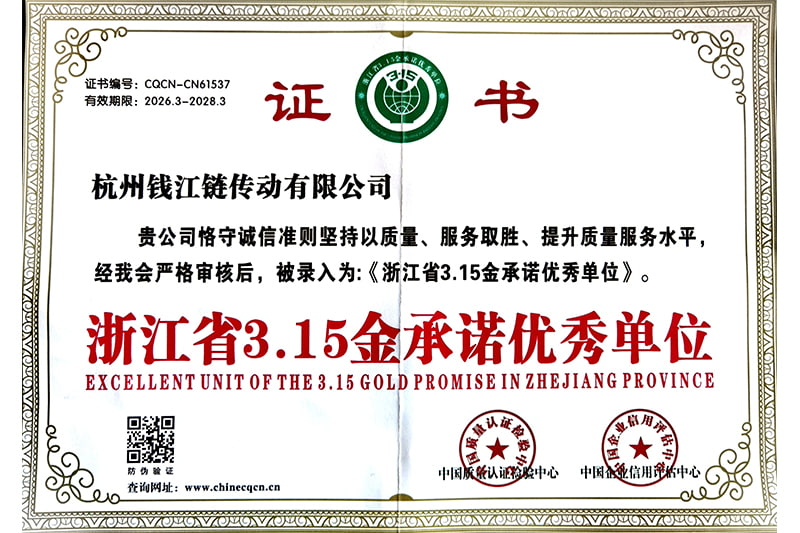
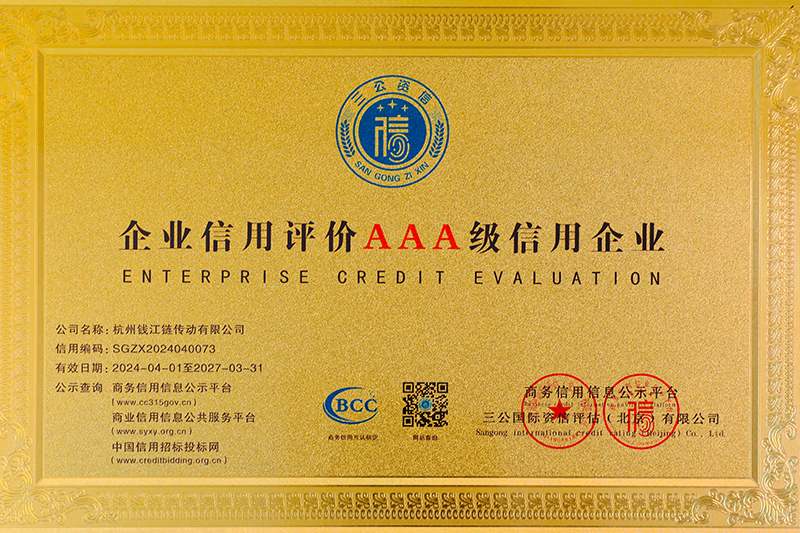
Certificate Of Honor
News
-
Stand in front of a forklift truck and watch the mast move. Hidden inside the rails, a length of leaf chain is taking the entire load of the mast and forks. The same simple component raises lifting platforms, positions machine-tool counterweights, and moves loads in automated warehouses. A leaf chain is made of only t...
READ MORE -
A chain that survives 20,000 km on a dusty road instead of 6,000 km is not usually a matter of luck. It is the difference between a standard roller chain and an oil seal chain. Sealed chains cost more at the point of purchase, but they pay the difference back through fewer tension adjustments, longer sprocket life, an...
READ MORE -
When the Chain Lets Go, the Warning Signs Came First Picture this: you are rolling toward a corner and the drive suddenly goes slack. The engine revs, the rear wheel loses drive, and when you pull over you find the chain hanging loose under the swingarm, or off the sprockets completely. By the time a motorcycle chain ...
READ MORE
Related products
-
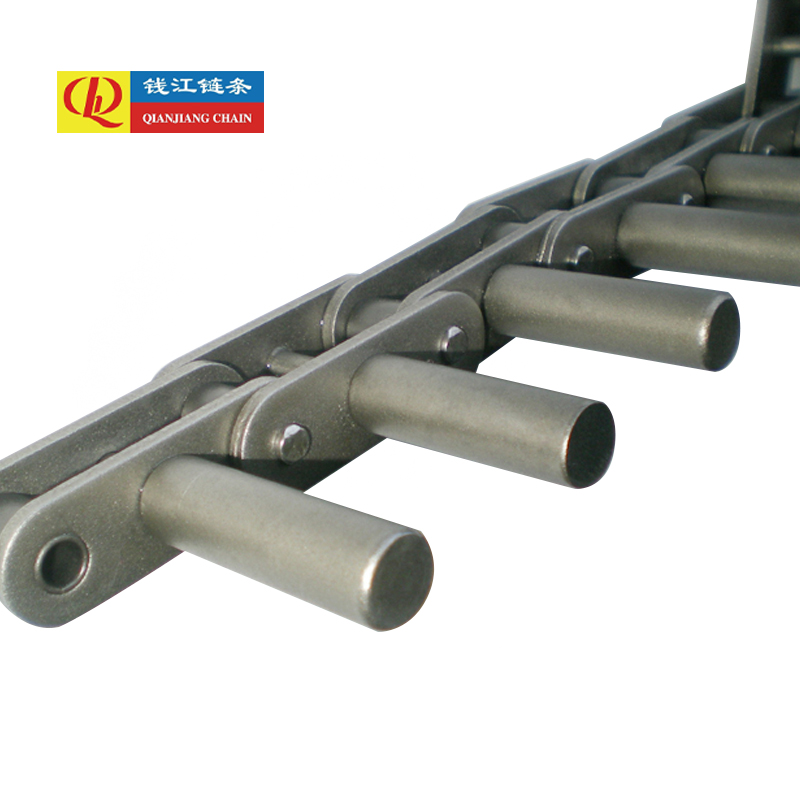
Product Introduction: Double pitch conveyor chains with extended pins are a game-changer in the world of material handling, offering unmatched strength, adaptability, and versatility for various indus...
See Details -
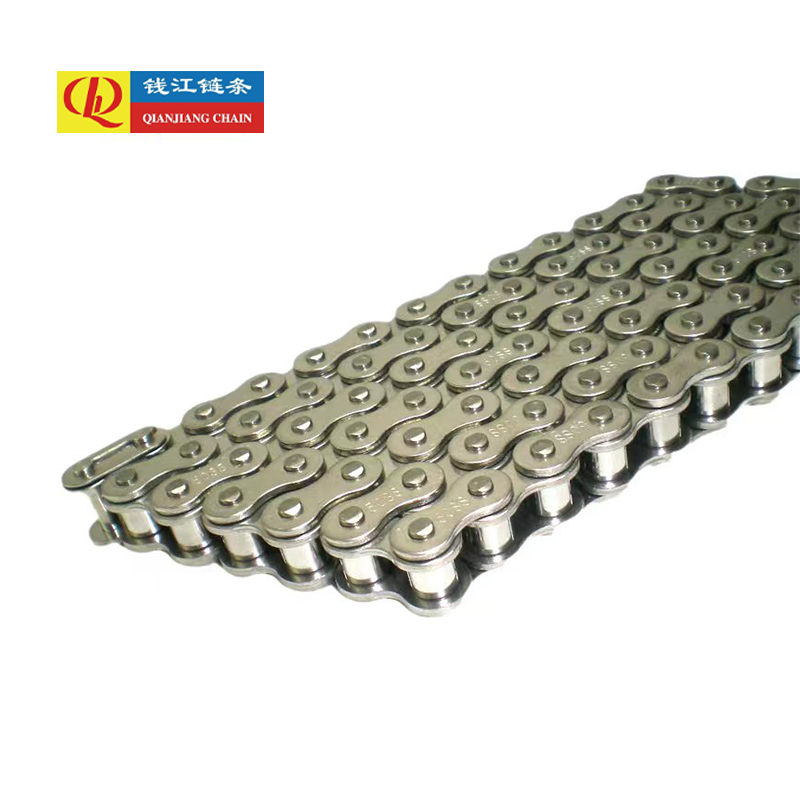
Product Introduction: Stainless steel short pitch precision roller chains are the ideal solution for industries demanding high durability, precision, and resistance to harsh environments. Made from hi...
See Details -
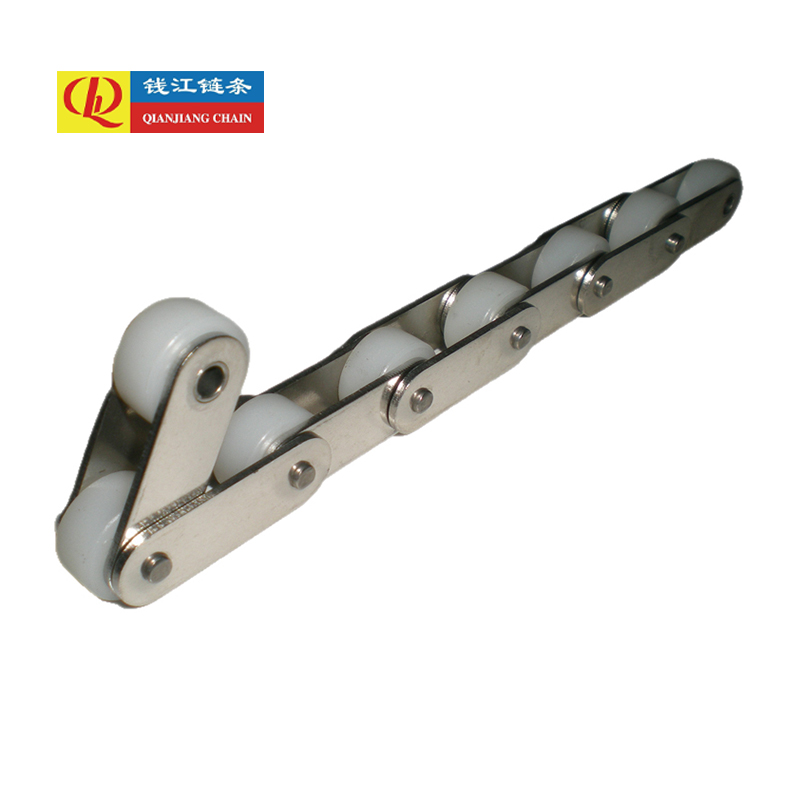
Product Introduction: Designed with strength and longevity in mind, Stainless steel double pitch conveyor chains are crafted from high-grade stainless steel, making them resistant to corrosion, wear, ...
See Details -
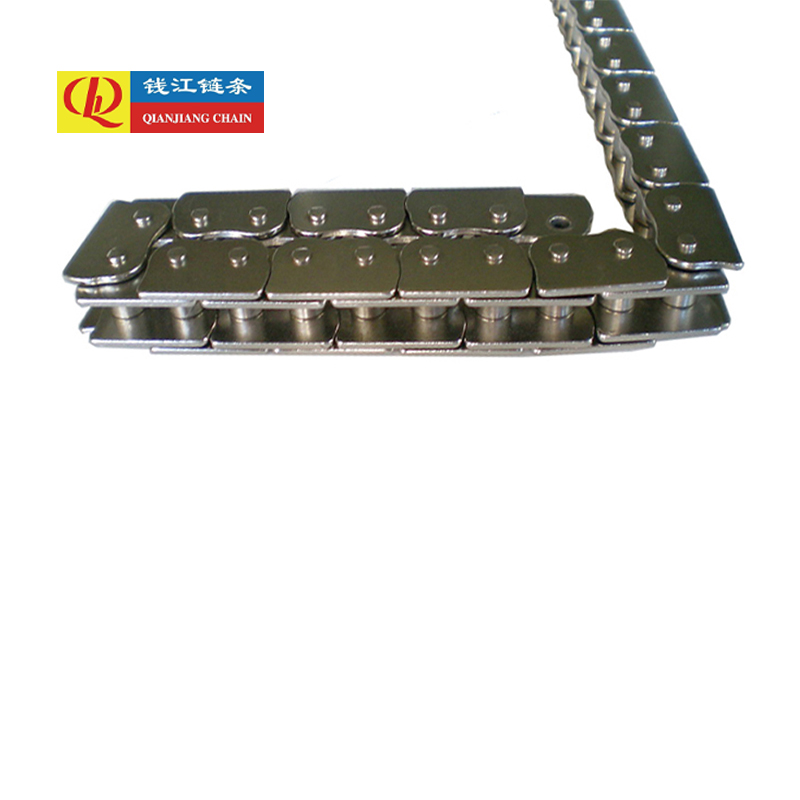
Product Introduction: Fine workmanship Aging-resistant Anti-sidebow chains for automatic doors and windows – the solution for smooth, reliable operation of automatic doors and windows. Designed with p...
See Details -
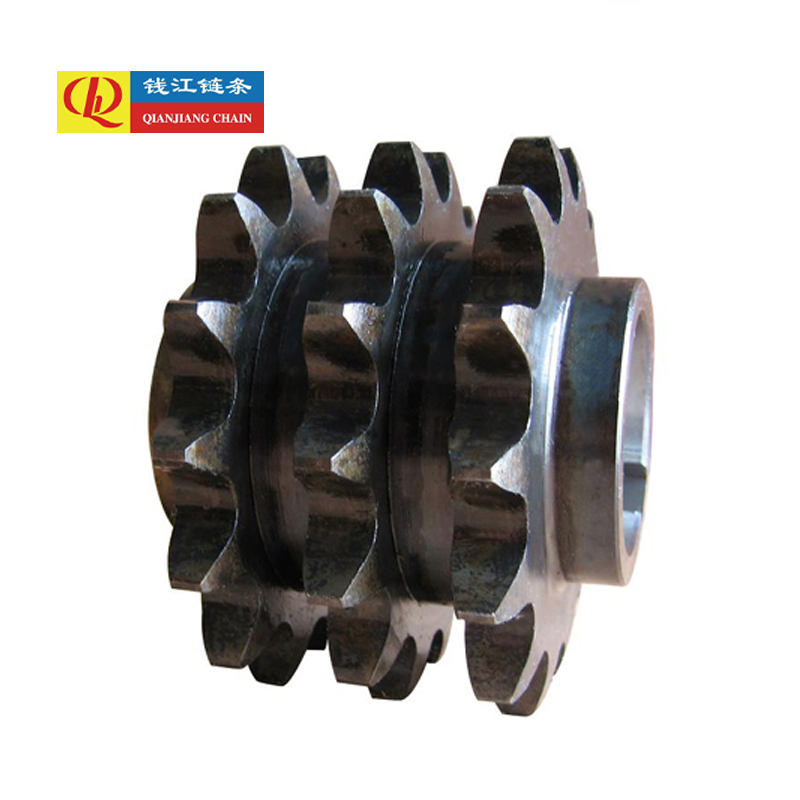
Product Introduction: Triple Row Sprockets are the powerhouse behind high-performance chain drive systems, offering unmatched strength, durability, and efficiency. Designed with three rows of teeth, t...
See Details -
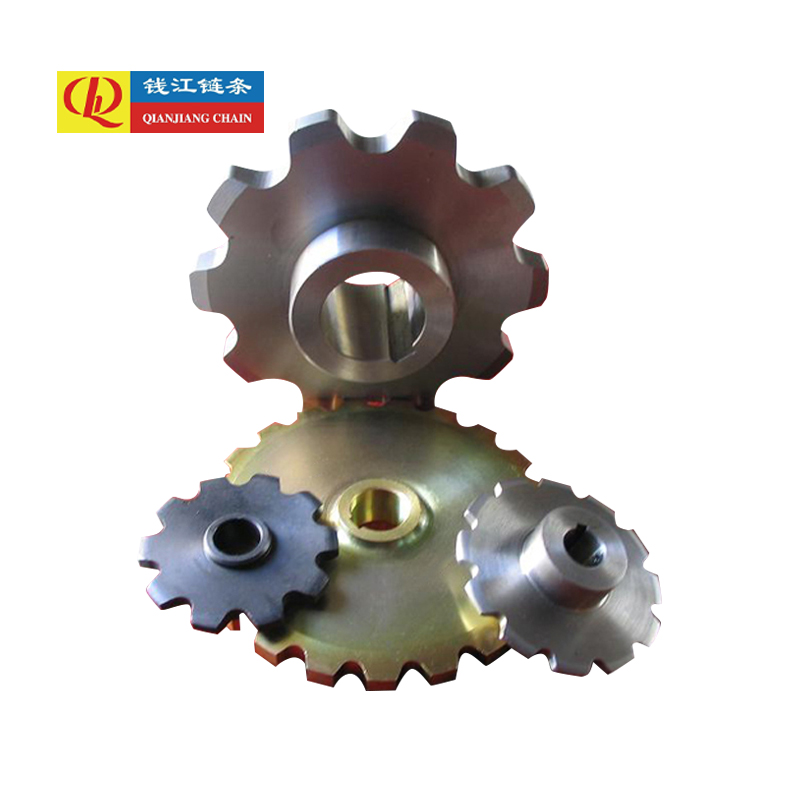
Product Introduction: When it comes to power transmission, OEM sprockets play a critical role in ensuring performance, precision, and reliability. As the original equipment manufacturer’s choice, OEM ...
See Details
Roller Chains Industry knowledge
1. Understanding Roller Chains
Roller chains are one of the most common and reliable types of mechanical power transmission devices. They are designed to efficiently transfer power between sprockets in a wide variety of machines, from industrial conveyors to motorcycles. Roller chains are made of several components, including the chain links, rollers, pins, and bushings, each working together to ensure smooth and durable operation.
1.1 Key Components of Roller Chains
- Chain Links: The individual segments that form the chain.
- Rollers: Provide smooth contact with the sprockets, reducing wear and tear.
- Pins: Connect the links together, allowing the chain to move freely.
- Bushings: Reduce friction between the chain’s internal components.
2. Applications of Roller Chains
Roller chains are used in a wide variety of industries, offering durability and versatility. They are commonly found in industrial equipment, agricultural machinery, and transportation systems. Below are some key applications:
2.1 Industrial Machinery
In industrial environments, roller chains are used in conveyors, packaging machines, and other automated systems to transmit mechanical power efficiently.
2.2 Agricultural Equipment
Agricultural machinery, such as tractors, combines, and harvesters, often rely on roller chains to transfer power from the engine to other mechanical systems like wheels and harvesters.
2.3 Transportation Systems
Roller chains are also widely used in bicycles, motorcycles, and other vehicles to transmit power from the engine to the wheels, ensuring smooth and reliable movement.
3. Exploring Multi-Strand Roller Chains
Multi-strand roller chains are a variation of the standard roller chain, designed to handle higher loads or allow for more precise power distribution. They consist of two or more strands of roller chains operating in parallel, making them more efficient for applications requiring greater load capacity or longer service life.
3.1 Advantages of Multi-Strand Roller Chains
- Increased load capacity due to the parallel arrangement of multiple strands.
- Improved performance in high-stress applications, such as large industrial machines and conveyors.
- Extended service life, as the load is distributed across multiple strands, reducing wear on individual components.
3.2 Applications of Multi-Strand Roller Chains
Multi-strand roller chains are commonly used in heavy-duty applications where the standard roller chain may not provide adequate power transmission. Some typical uses include:
- Conveyors in high-volume production lines.
- Heavy-duty machines in industries like mining, construction, and agriculture.
- High-performance vehicles requiring superior power transfer, such as racing bikes and motorcycles.
4. Maintenance and Care for Roller Chains
Proper maintenance is crucial to ensure the longevity and efficient operation of both roller chains and multi-strand roller chains. Regular maintenance practices include:
4.1 Lubrication
Regular lubrication of roller chains helps reduce friction and prevent wear on the chain components. It’s important to use the correct type of lubricant based on the chain's application.
4.2 Tension Adjustment
Keeping the chain properly tensioned is essential to avoid unnecessary wear and tear. An overly tight or loose chain can lead to premature failure of components.
4.3 Regular Inspections
Frequent inspections are necessary to identify any early signs of wear or damage. Look for signs of elongation, broken links, or excessive wear on the sprockets and rollers.

 +86-13805752016
 +86-571-82875104/82875108
 [email protected]
 No. 80 QianNong West Road, Xiaoshan District, Hangzhou City, Zhejiang Province,China
Copyright © Hangzhou Qianjiang Chain Industries Co., Ltd. All Rights Reserved.
|
 浙公网安备33010902004043号