
 Eng
Eng  中文简体
中文简体Submit feedback
Leaf Chains Manufacturers
-
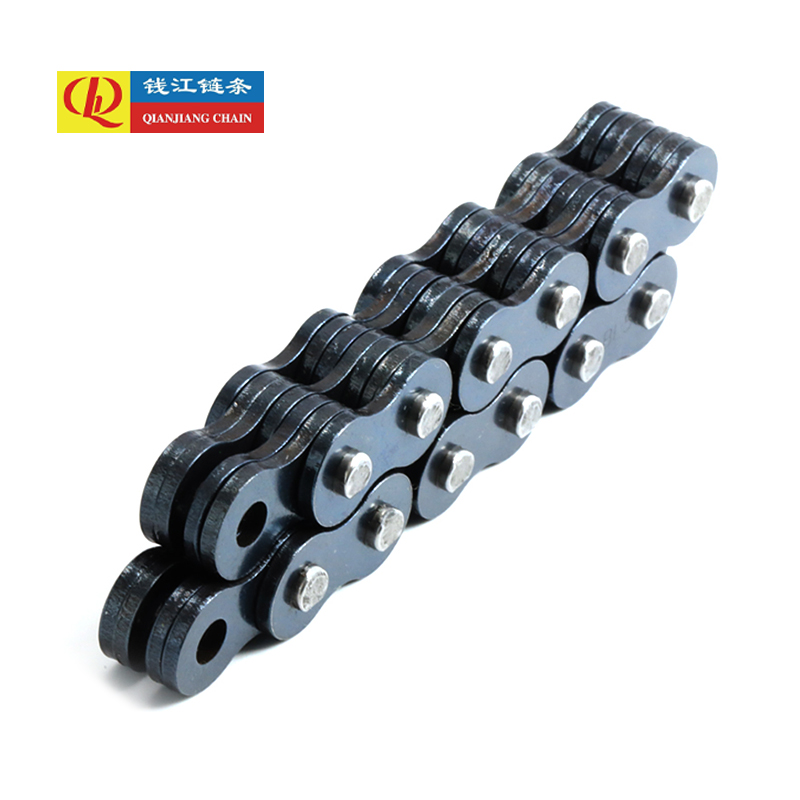
LH (BL Series) wear-resistant durable Leaf chains
Product Introduction: LH (BL Series) wear-resistant and durable Leaf Chains are engineered for high-... -
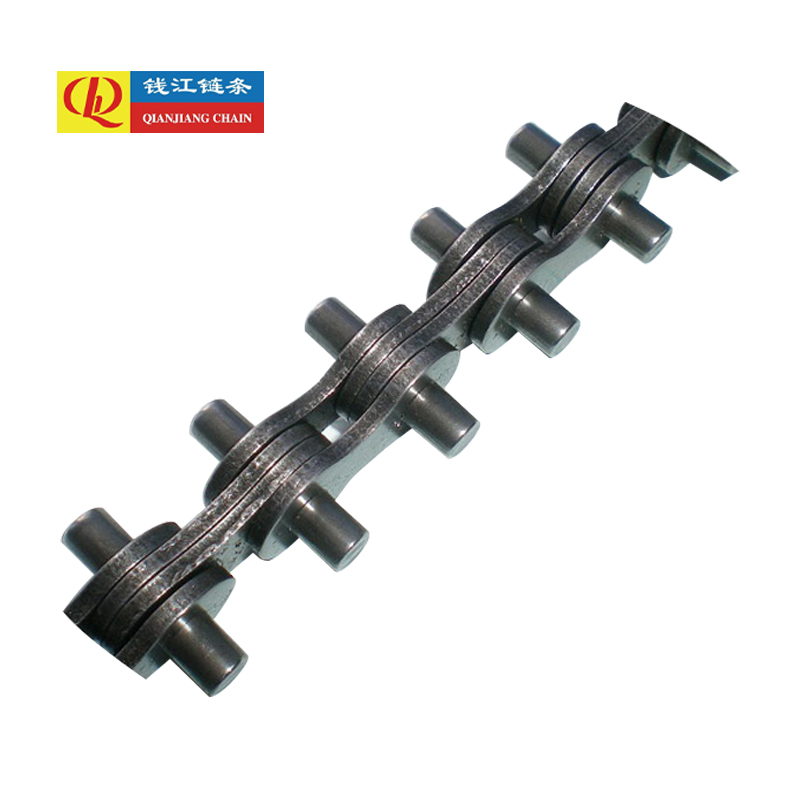
(AL Series) Industrial grade high tensile leaf chains
Product Introduction: The (AL Series) Industrial Grade High Tensile Leaf Chains are engineered to de... -
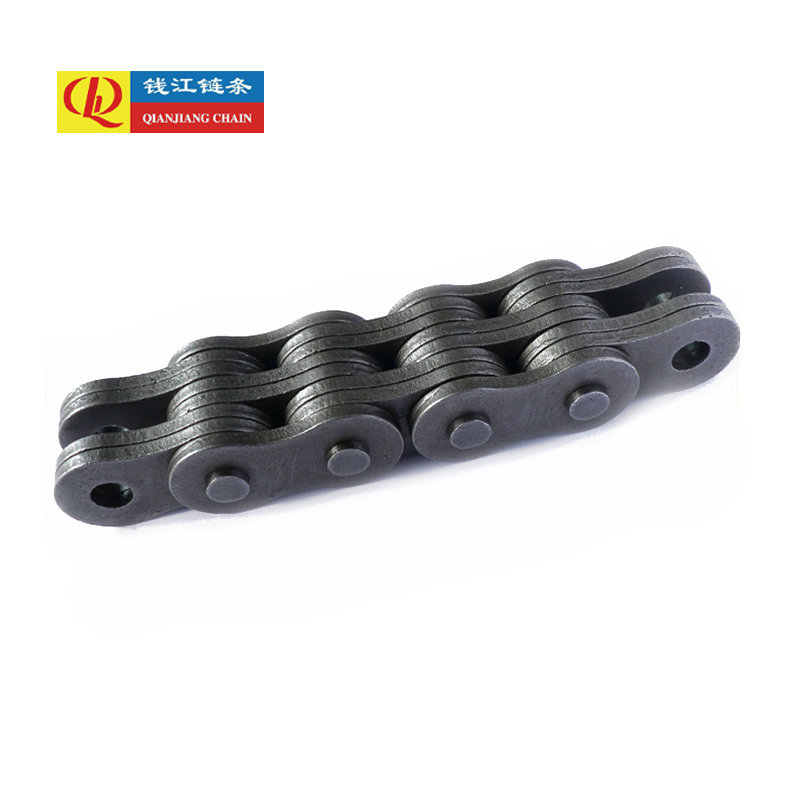
(LL Series) Low maintenance high stability leaf chains
Product Introduction: (LL Series) Low-Maintenance High-Stability Leaf Chains – engineered to deliver...
Leaf chain is known for its durability and high tensile strength. One of the main differences between leaf chains compared to roller chains is that it consists of only a series of stacked plates and pins, which provides lifting strength.Leaf chain is favored by engineers for its strength in material handling, such as forklifts, lift trucks, lifting masts, straddle carriers, and other large civil engineering projects. Its long service life, high fatigue strength, and strong wear resistance make it an ideal solution for long-term projects that need to be reliable and very strong.
High strength: Made of high-quality steel, after heat treatment and surface treatment, it has high strength and rigidity. This allows them to maintain stable performance under heavy loads and high-speed operation.
High wear resistance: Due to its special design and material selection, leaf chains have good wear resistance. During long-term use, they wear slowly, thus extending their service life.
About Us
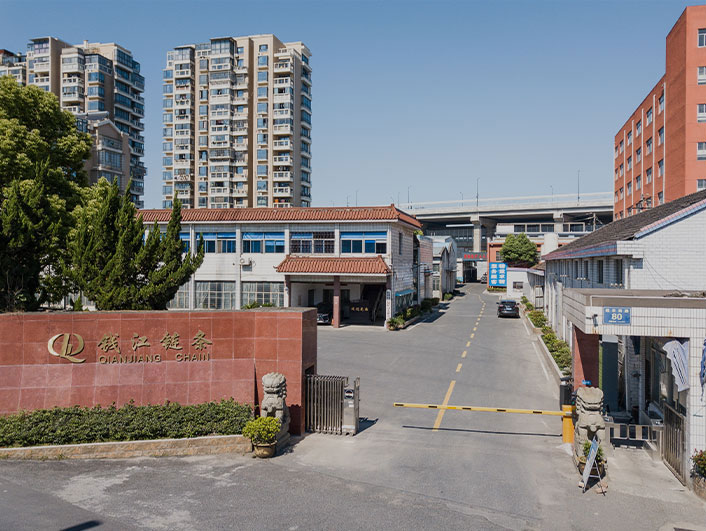
Hangzhou Qianjiang Chain Industries Co., Ltd.
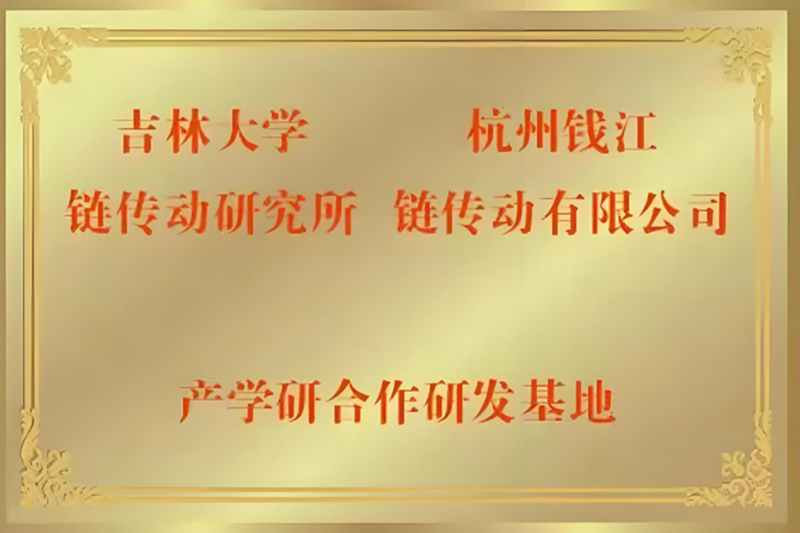
Hangzhou Qianjiang Chain Industries Co., Ltd. was founded in 1987, as China Leaf Chains Manufacturers and Leaf Chains Factory, specializing in the production of A.B series precision roller chains, motorcycle special chains and high-end oil seal chains, all kinds of logistics transportation machinery chains, dustproof and waterproof industrial oil seal chains and agricultural machinery chain, lifting machine chain, silent tooth transmission chain, steples transmission chain, intelligent door and window bending chain, stainless steel chain, non-standard special chain and sprocket. Since 1991, in cooperation with Jilin University of Technology chain Transmission Research Institute of China chain Research Institute, the PIV steples transmission chain and CL series silent tooth chain have been optimized and upgraded, the high-end motorcycle oil seal chain and heavy-duty series precision roller chain have been developed, and the cooperation of production, learning and research has been established.
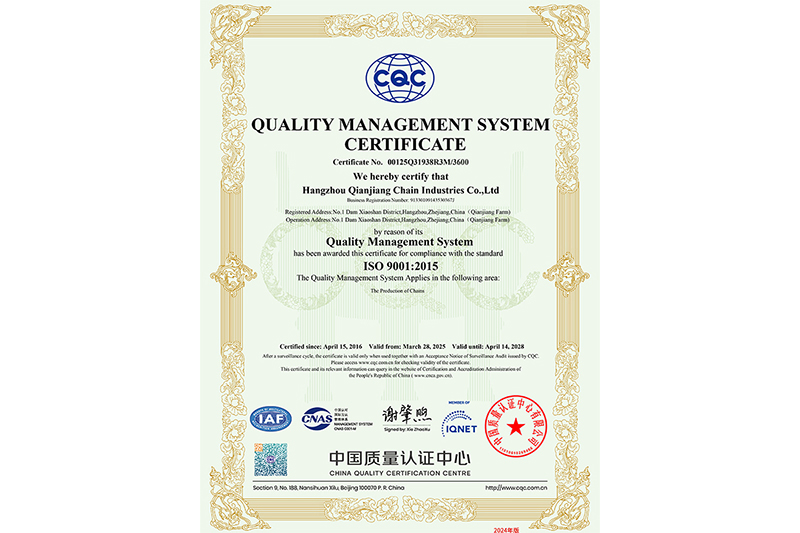
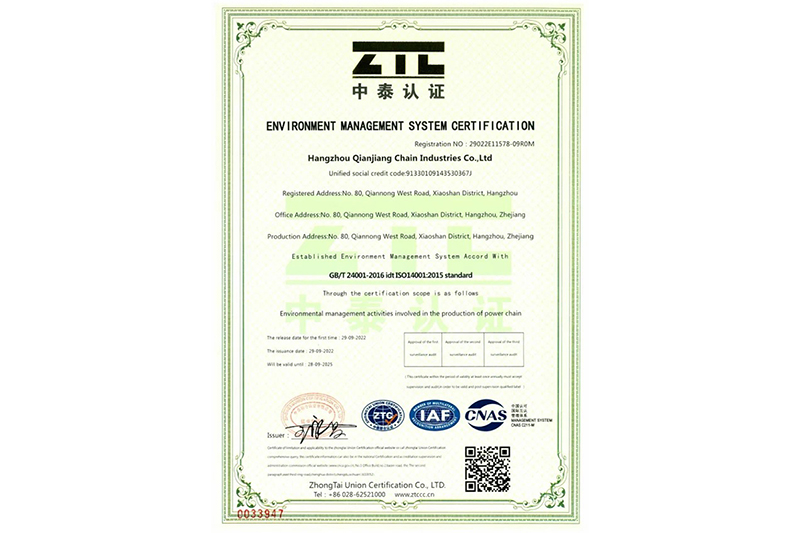
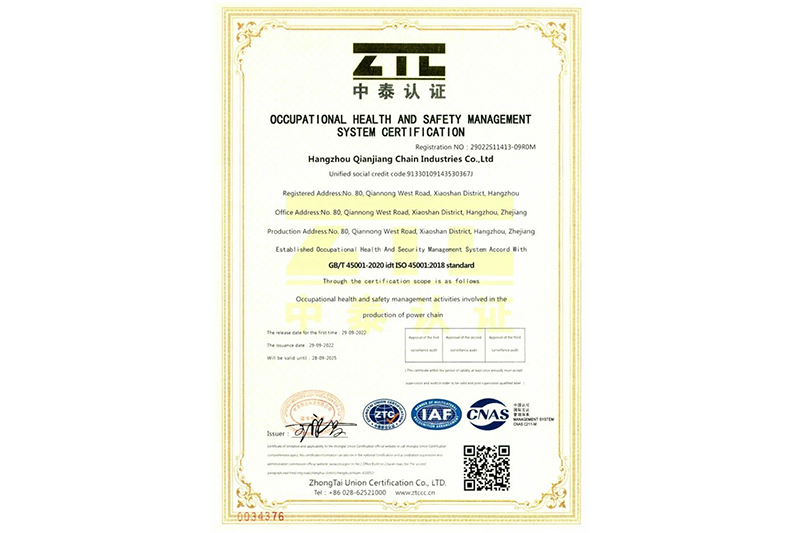
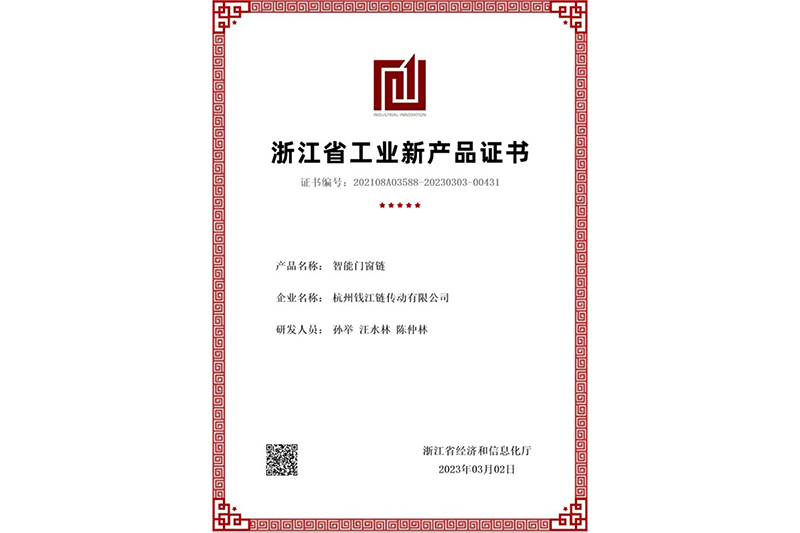
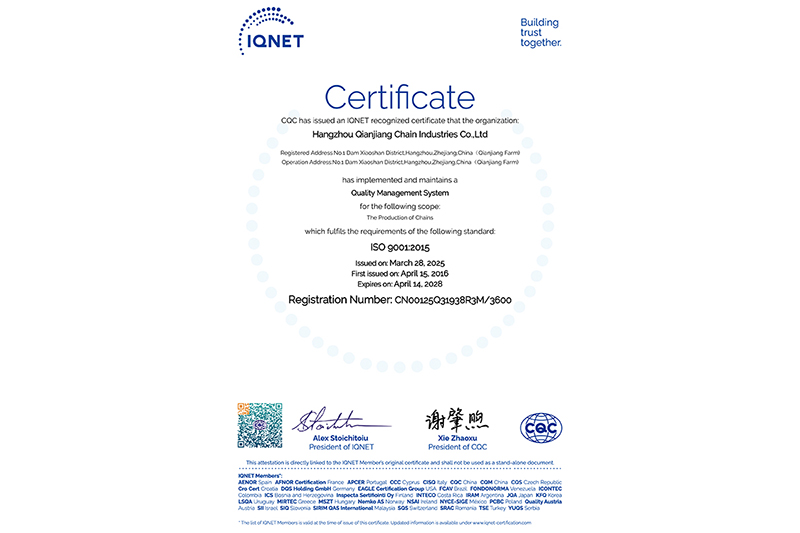
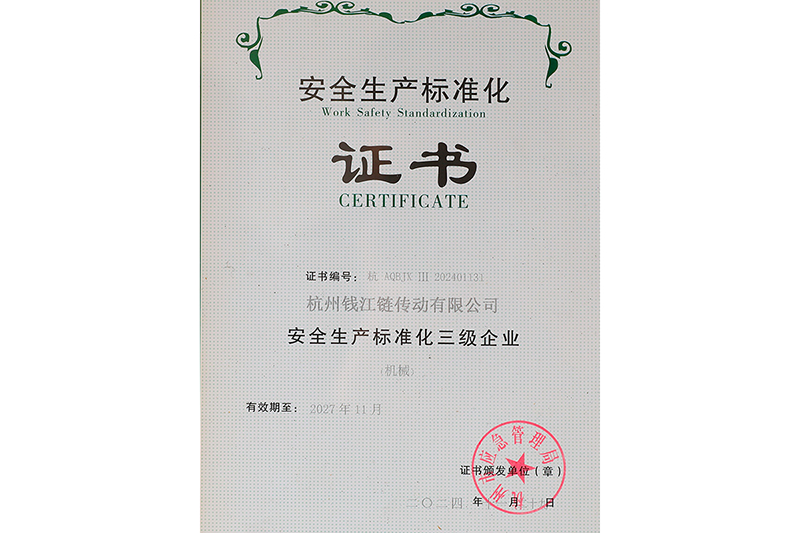
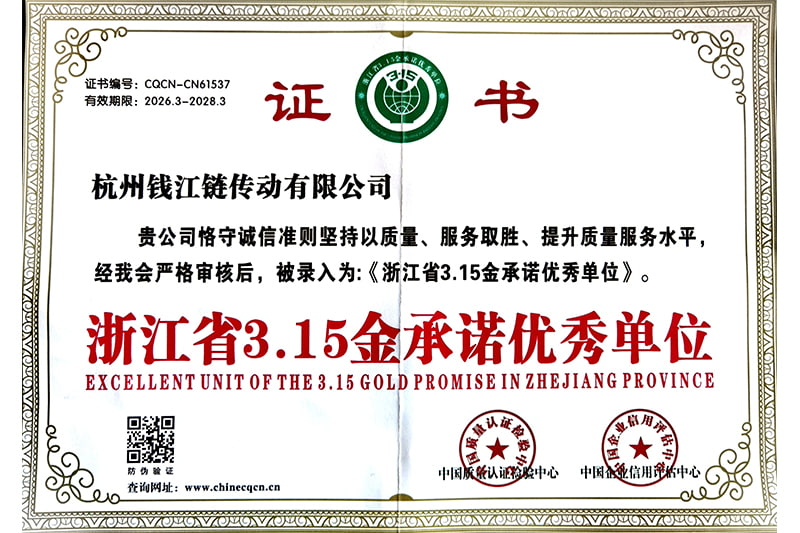
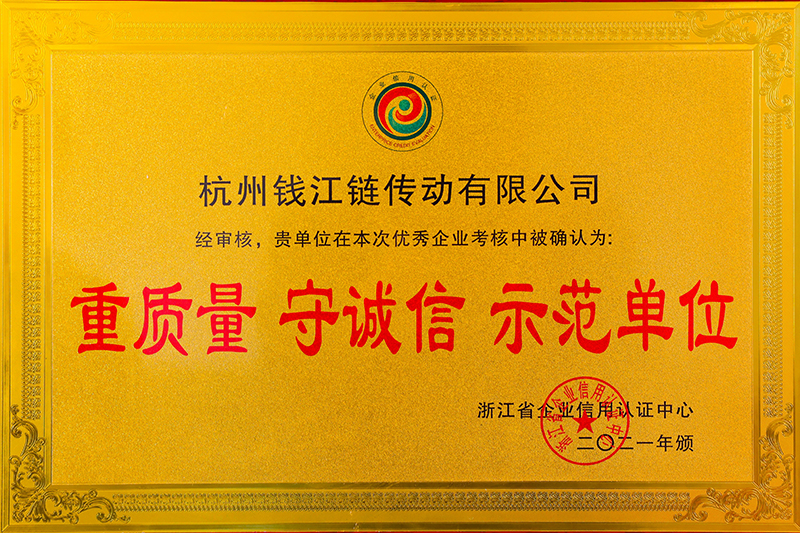
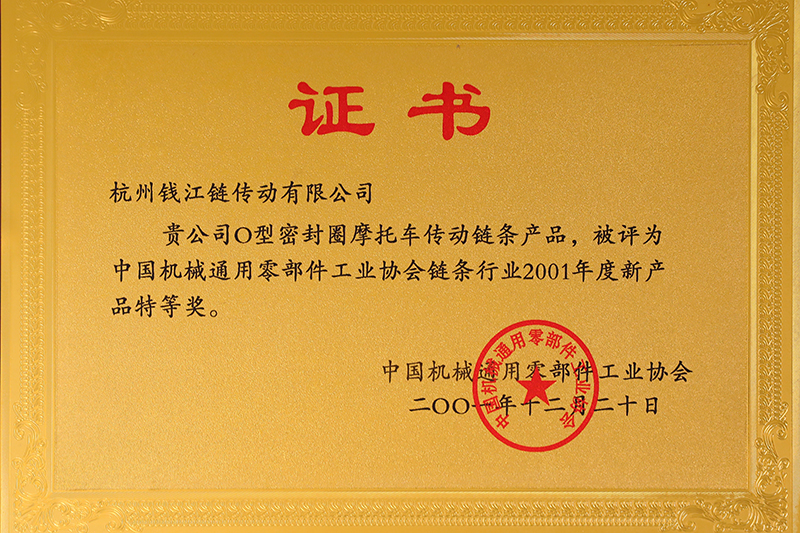
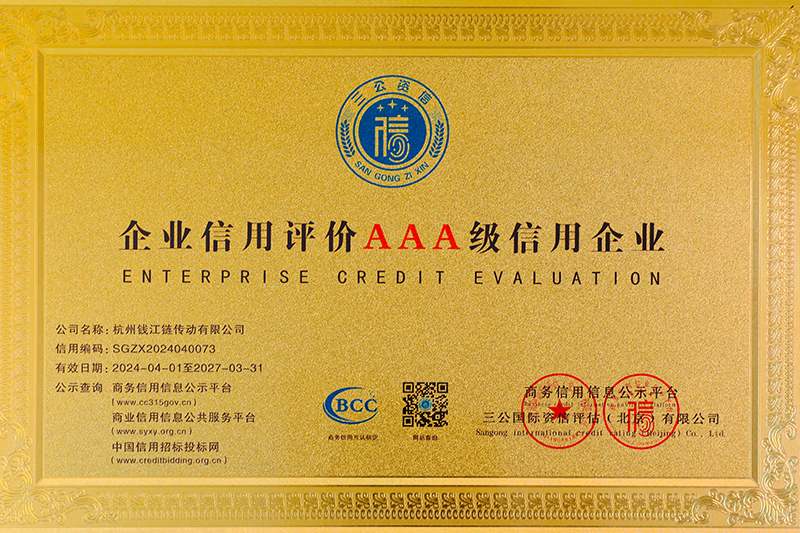
Certificate Of Honor

News
-
A chain that survives 20,000 km on a dusty road instead of 6,000 km is not usually a matter of luck. It is the difference between a standard roller chain and an oil seal chain. Sealed chains cost more at the point of purchase, but they pay the difference back through fewer tension adjustments, longer sprocket life, an...
READ MORE -
When the Chain Lets Go, the Warning Signs Came First Picture this: you are rolling toward a corner and the drive suddenly goes slack. The engine revs, the rear wheel loses drive, and when you pull over you find the chain hanging loose under the swingarm, or off the sprockets completely. By the time a motorcycle chain ...
READ MORE -
A combine harvester loses a full day of work in late July because a conveyor chain snapped under a load it had carried all season. A baler operator replaces the same drive chain twice in one month and blames the supplier, only to find that the chain pitch did not match the sprocket. These failures are not rare in farm...
READ MORE
Related products
-
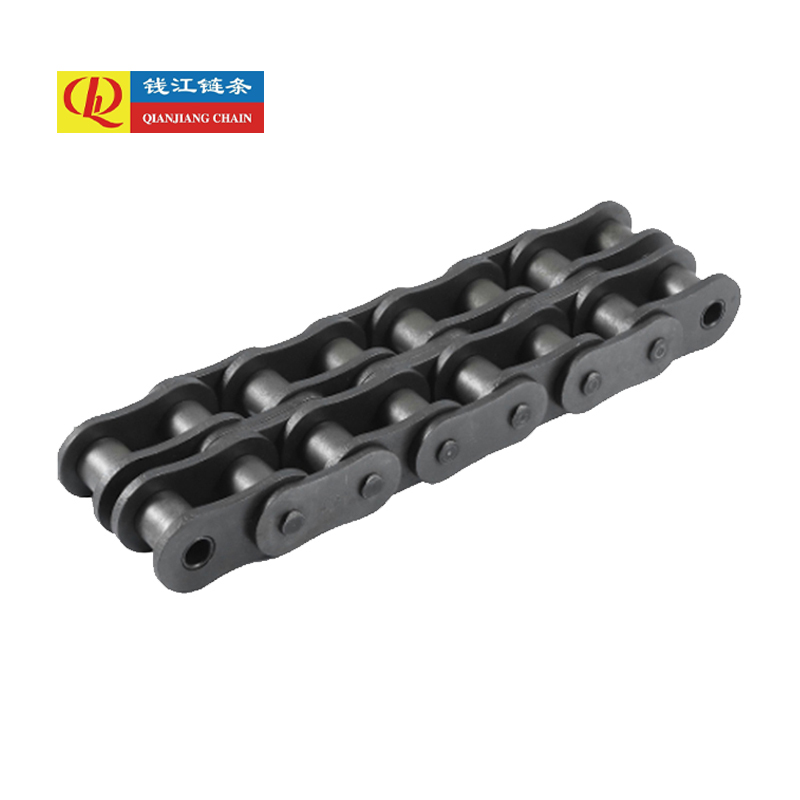
Product Introduction: Roller chains with straight side plates (A series) are designed for durability, efficiency, and ease of maintenance. Known for their low noise operation, these chains offer a smo...
See Details -
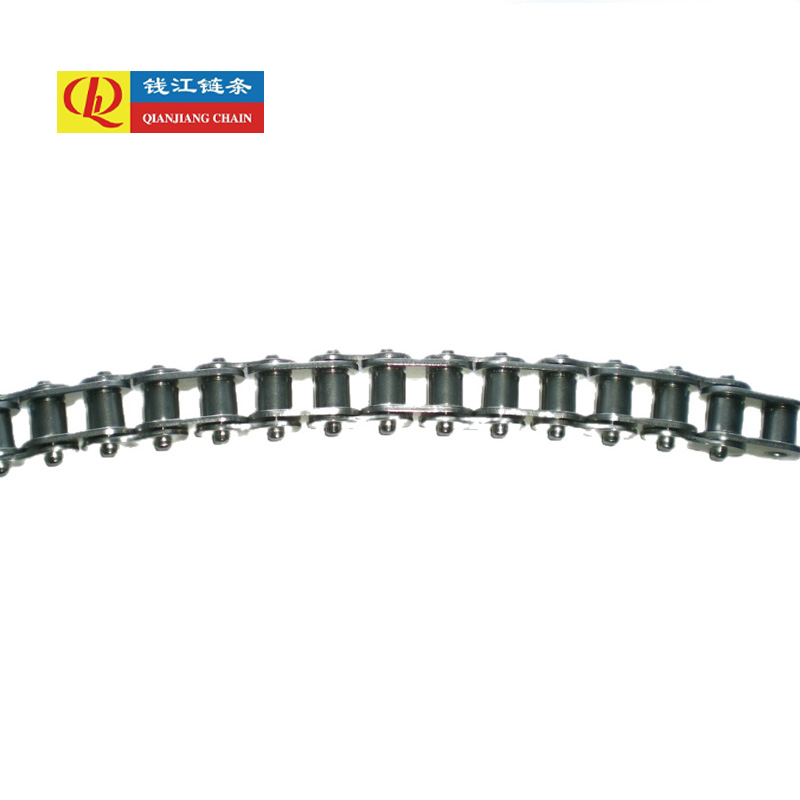
Product Introduction: Stable Performance Durable Side Bow Chains are the choice for industries that demand precision, flexibility, and long-lasting reliability. Designed with a focus on smooth operati...
See Details -
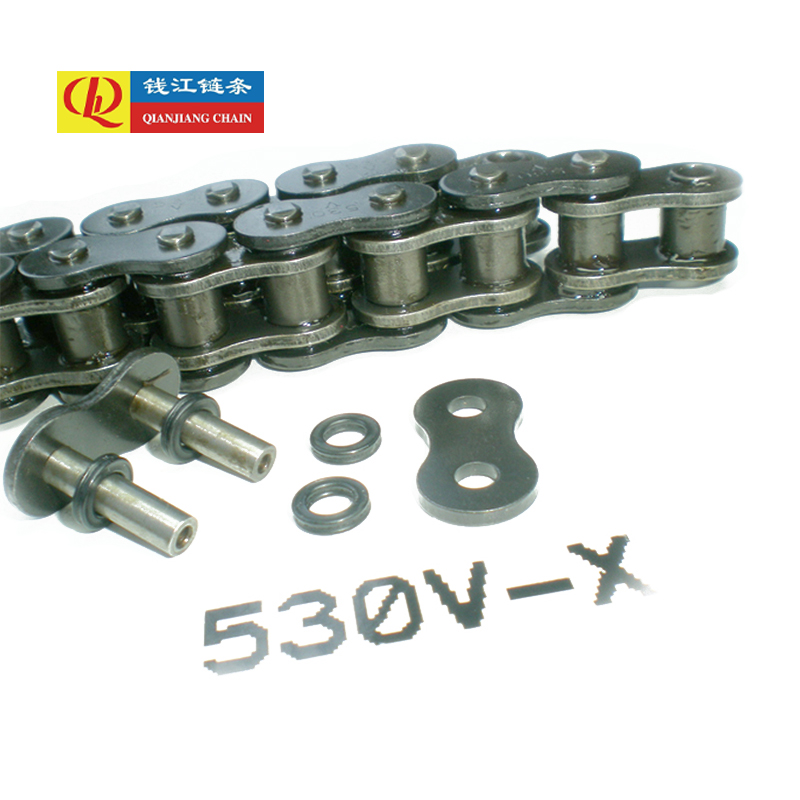
Product Introduction: X-ring motorcycle chains are engineered to deliver exceptional durability and high performance, making them the choice for motorcycle enthusiasts and riders who demand the . The ...
See Details -
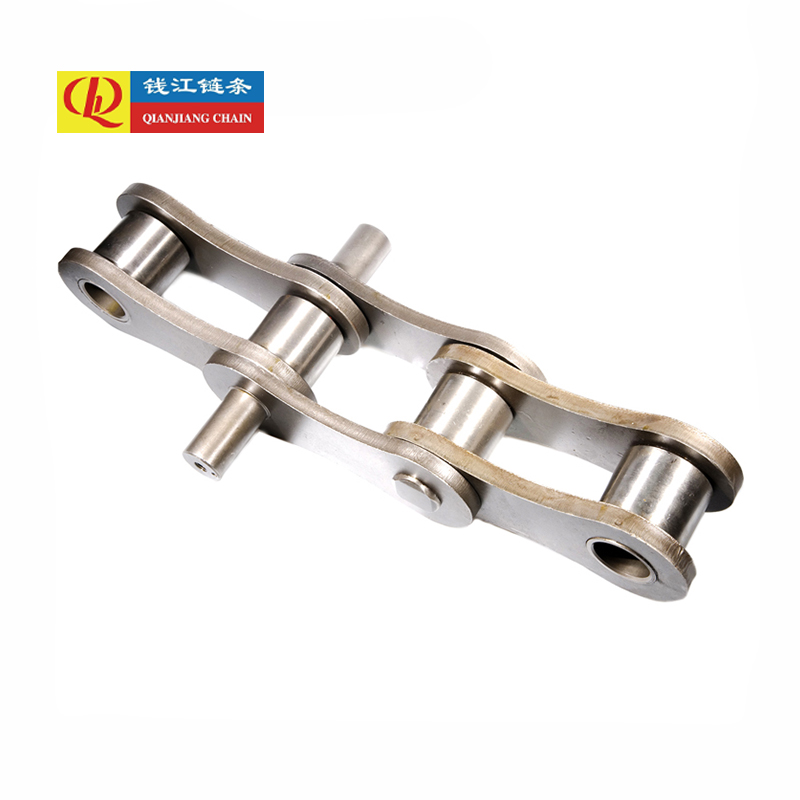
Product Introduction: Short Pitch Conveyor Chains with Extended Pins are specially engineered to deliver precise, reliable performance in demanding material handling environments. The extended pins pr...
See Details -
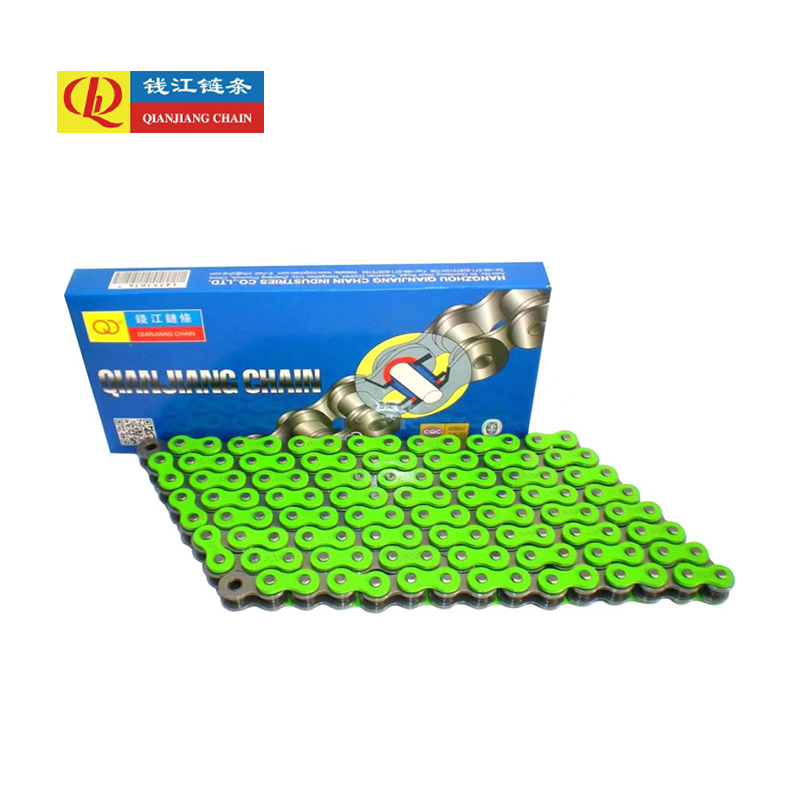
Product Introduction: High Quality Alloy Steel Strong Heavy Duty Motorcycle Chains — engineered for unmatched performance and reliability. Crafted from premium alloy steel, these chains are built to w...
See Details -
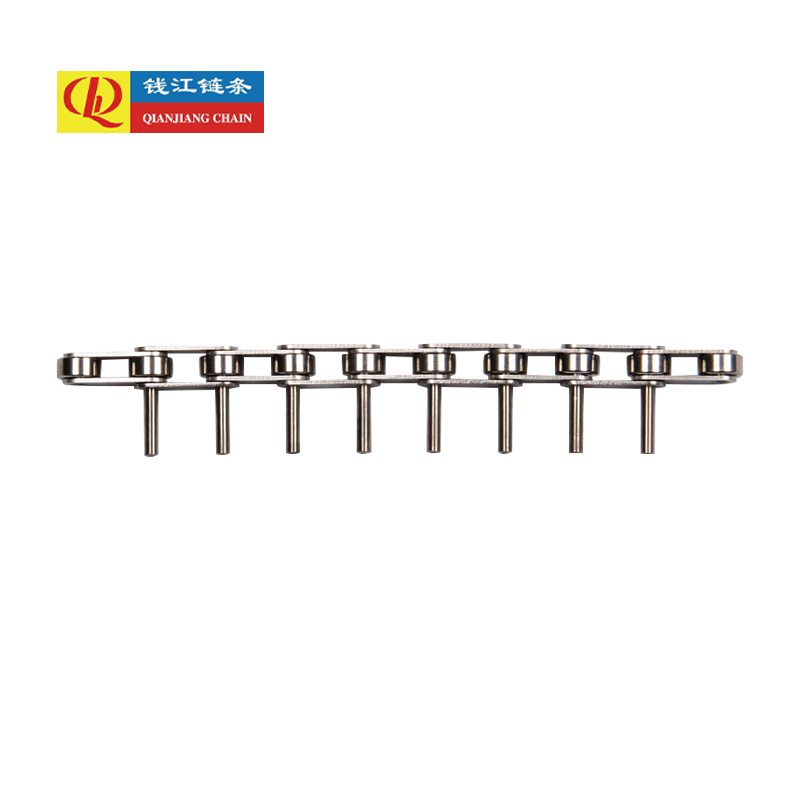
Product Introduction: Stainless steel double pitch conveyor chains with extended pins are engineered for durability and versatility, making them ideal for demanding industrial applications. Made from ...
See Details
Leaf Chains Industry knowledge
1. Benefits of Alloy Steel Leaf Chains in Heavy Machinery
Alloy steel leaf chains are commonly used in heavy machinery applications where durability and high tensile strength are paramount. These chains are designed to withstand extreme loads and harsh working conditions, making them ideal for construction equipment, cranes, and mining machinery. The alloy steel composition enhances their resistance to wear, fatigue, and corrosion, allowing for longer service life even in demanding environments.
1.1. Superior Strength-to-Weight Ratio
One of the primary benefits of alloy steel leaf chains is their superior strength-to-weight ratio. This means that the chains can carry significantly higher loads without increasing their overall weight, which is essential for efficiency in applications where reducing overall equipment weight is crucial. This strength-to-weight ratio makes alloy steel leaf chains particularly suitable for lifting and hauling equipment.
1.2. Resistance to Harsh Operating Conditions
The alloy steel used in these chains is specially treated to resist high temperatures, heavy moisture, and corrosive substances, providing superior performance even in environments where regular steel would fail. This makes them indispensable for industries like mining, where chains are exposed to abrasive materials and extreme conditions.
2. Common Applications of Alloy Steel Leaf Chains
Alloy steel leaf chains are widely utilized in several key industries due to their robust properties. Some of the most common applications include:
- Construction machinery such as excavators, bulldozers, and cranes
- Material handling systems, including conveyors and hoists
- Agricultural machinery, where they are used in combines and harvesters
- Mining operations for lifting and hauling equipment
- Oil and gas exploration machinery, especially in offshore environments
Conveying Systems
In material handling systems, alloy steel leaf chains play a critical role in moving large volumes of material in harsh environments. Their ability to handle high loads without stretching or breaking makes them suitable for continuous operation in high-demand systems such as conveyor belts and hoists.
3. Maintenance Tips for Alloy Steel Leaf Chains
Proper maintenance is essential to maximize the lifespan and performance of alloy steel leaf chains. Here are some effective tips:
- Regularly inspect the chains for signs of wear, corrosion, or elongation.
- Ensure proper lubrication to reduce friction and prevent premature wear.
- Monitor operating temperatures and ensure the chain does not exceed its maximum temperature rating.
- Check the alignment of the chain to avoid uneven wear and unnecessary stress on the links.
Lubrication and Cleaning
Lubrication is crucial for reducing friction between the moving parts of alloy steel leaf chains. Use high-quality lubricants recommended by manufacturers to ensure optimal performance. In addition, keeping the chains clean from dirt, dust, and debris helps prevent contamination and premature wear.
4. How Alloy Steel Leaf Chains Contribute to Energy Efficiency
Energy efficiency is becoming increasingly important in industries where large-scale machinery is used. Alloy steel leaf chains contribute to this by reducing the amount of energy required to lift or move heavy loads. Their low friction and high load-carrying capacity minimize the energy losses associated with chain operation, helping to lower energy consumption and reduce operational costs over time.
Reduced Wear and Tear
By minimizing wear and tear through their durable construction, alloy steel leaf chains maintain their efficiency over time, reducing the need for frequent replacements. This not only reduces material waste but also lowers the overall energy needed for machine operations, leading to more sustainable practices in heavy industries.

 +86-13805752016
 +86-571-82875104/82875108
 [email protected]
 No. 80 QianNong West Road, Xiaoshan District, Hangzhou City, Zhejiang Province,China
Copyright © Hangzhou Qianjiang Chain Industries Co., Ltd. All Rights Reserved.
|
 浙公网安备33010902004043号