
 Eng
Eng  中文简体
中文简体Submit feedback
O-Ring & X-Ring Sealed Chains Manufacturers
-
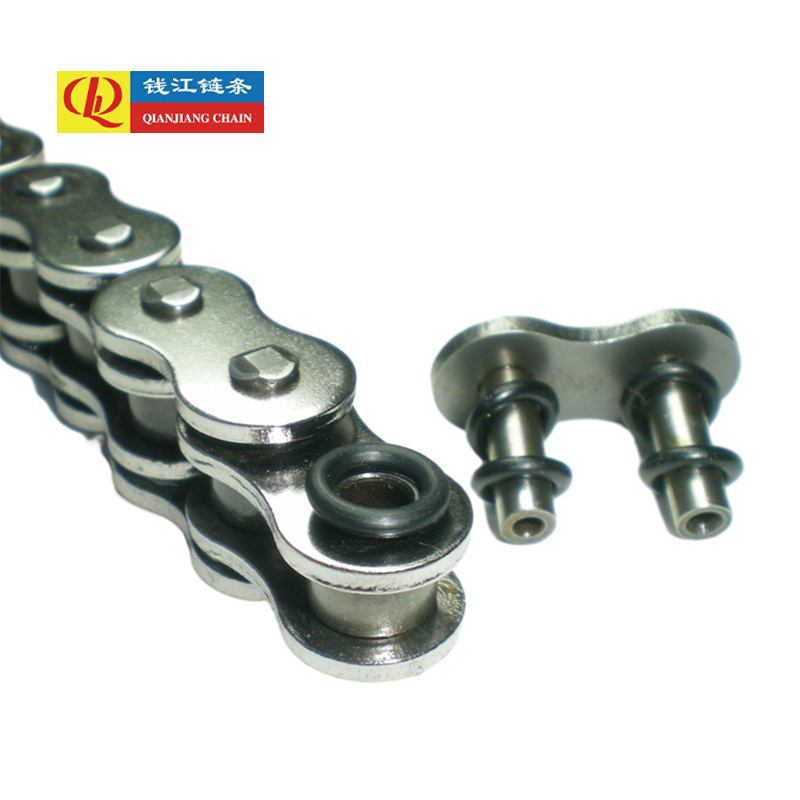
O-ring motorcycle chains
Product Introduction: Upgrade your ride with O-ring motorcycle chains – the ultimate choice for dura... -
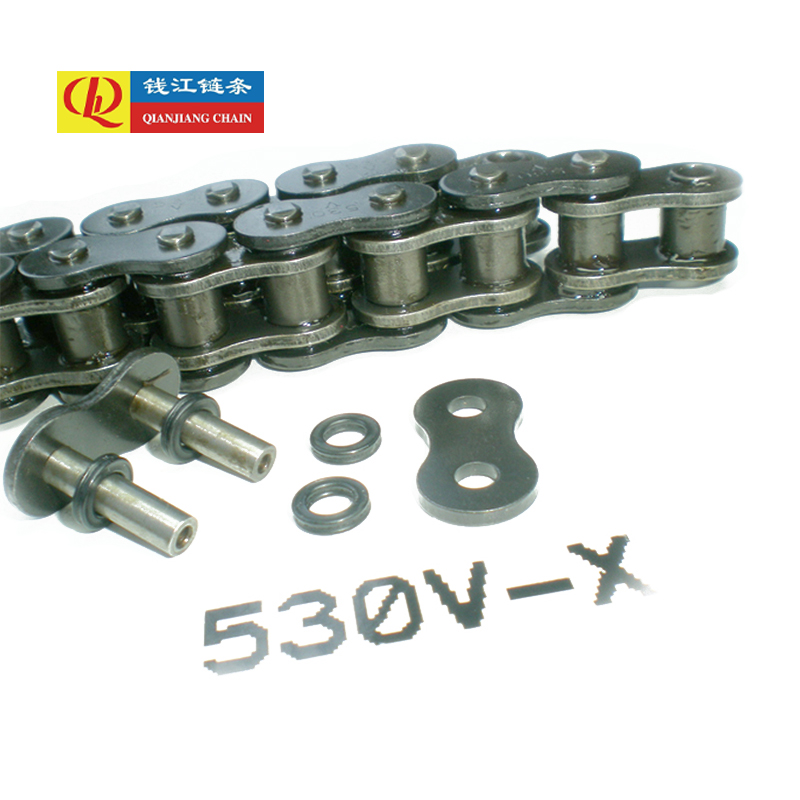
X-ring motorcycle chains
Product Introduction: X-ring motorcycle chains are engineered to deliver exceptional durability and ... -
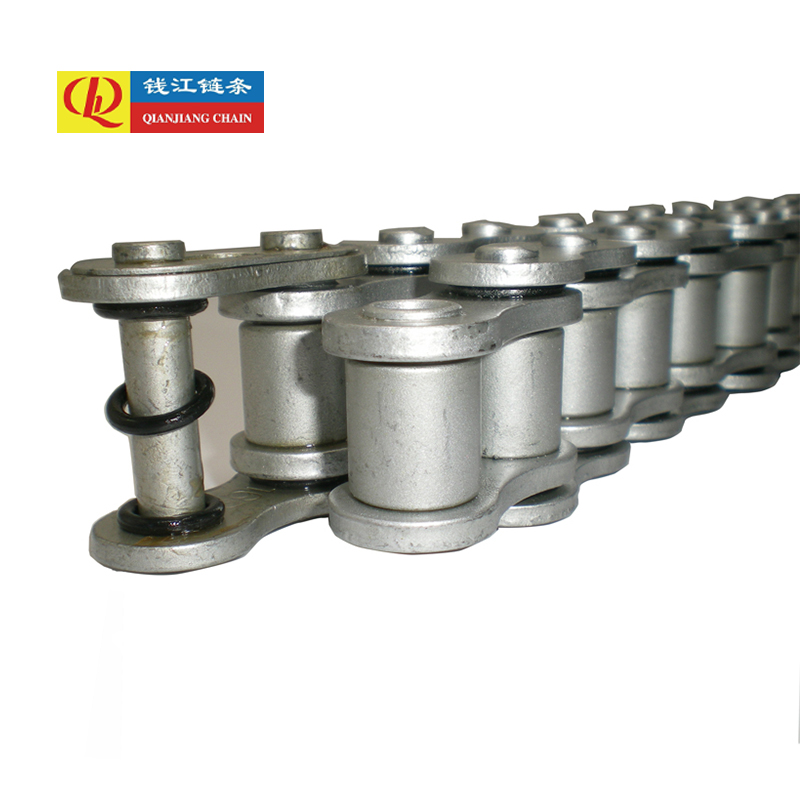
Mechanical transmission sealed chains
Product Introduction: Designed with advanced sealing technology, Mechanical transmission sealed chai...
O-ring chain is made of high-strength metal material, has wear resistance, can be used for a long time in high-speed transmission system without being easily damaged. The surface of O-ring chain is specially treated, which can effectively prevent the erosion of corrosive substances and extend the service life.O-ring chain can work normally in high-temperature environment and will not be deformed or damaged due to temperature increase. O-ring chain has good sealing performance, which can effectively prevent the leakage of lubricating oil or other liquids and maintain the normal operation of the transmission system. X-ring sealed roller chain is based on the traditional roller chain, with an X-shaped cross-section seal ring installed between the inner and outer links to prevent lubricating oil leakage and foreign matter from entering the chain link, thereby significantly improving the durability and transmission performance of the chain. It forms four sealing edges in contact with the chain link, which has a better sealing advantage than the traditional O-ring (two seals). The X-ring has a reasonable contact angle with the chain plate, and the friction resistance is smaller than that of the O-ring, which makes the operation lighter and faster. Multi-point contact improves the sealing integrity and reduces the entry of dust, moisture and sand.
About Us
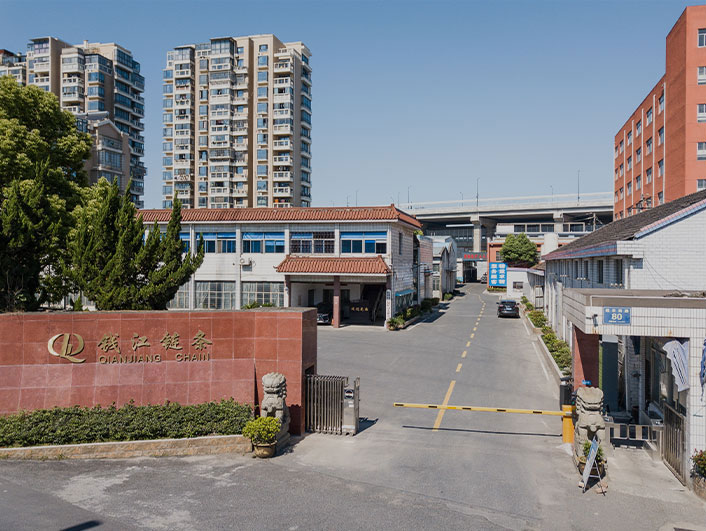
Hangzhou Qianjiang Chain Industries Co., Ltd.
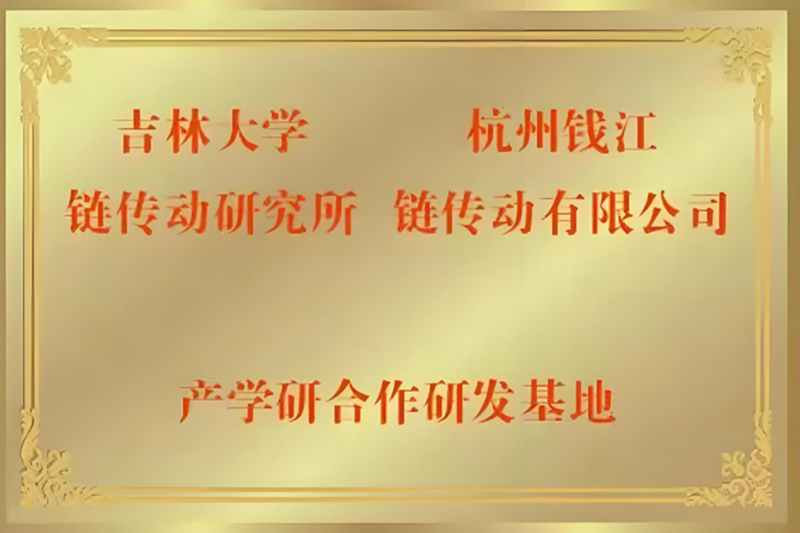
Hangzhou Qianjiang Chain Industries Co., Ltd. was founded in 1987, as China O-Ring & X-Ring Sealed Chains Manufacturers and Oil Seal Chains Factory, specializing in the production of A.B series precision roller chains, motorcycle special chains and high-end oil seal chains, all kinds of logistics transportation machinery chains, dustproof and waterproof industrial oil seal chains and agricultural machinery chain, lifting machine chain, silent tooth transmission chain, steples transmission chain, intelligent door and window bending chain, stainless steel chain, non-standard special chain and sprocket. Since 1991, in cooperation with Jilin University of Technology chain Transmission Research Institute of China chain Research Institute, the PIV steples transmission chain and CL series silent tooth chain have been optimized and upgraded, the high-end motorcycle oil seal chain and heavy-duty series precision roller chain have been developed, and the cooperation of production, learning and research has been established.
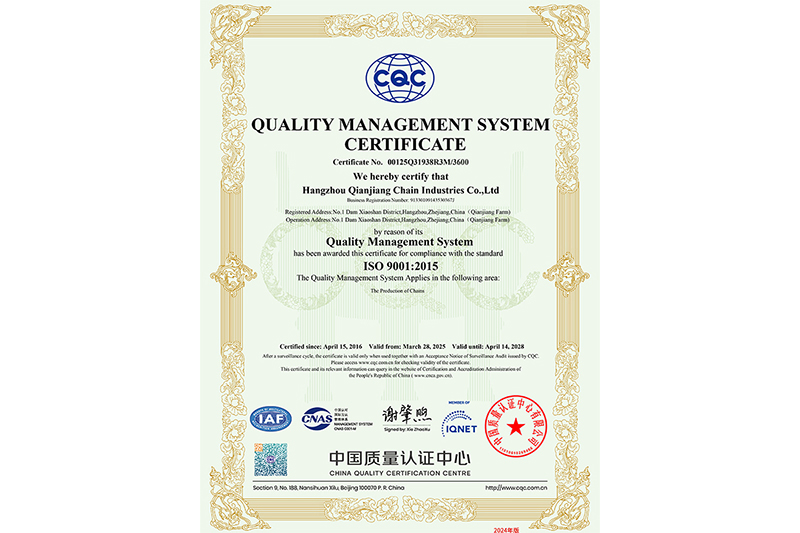
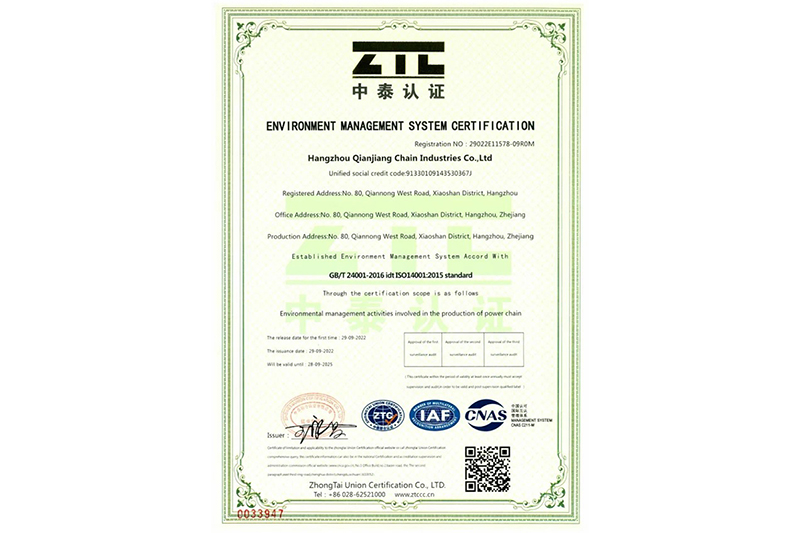
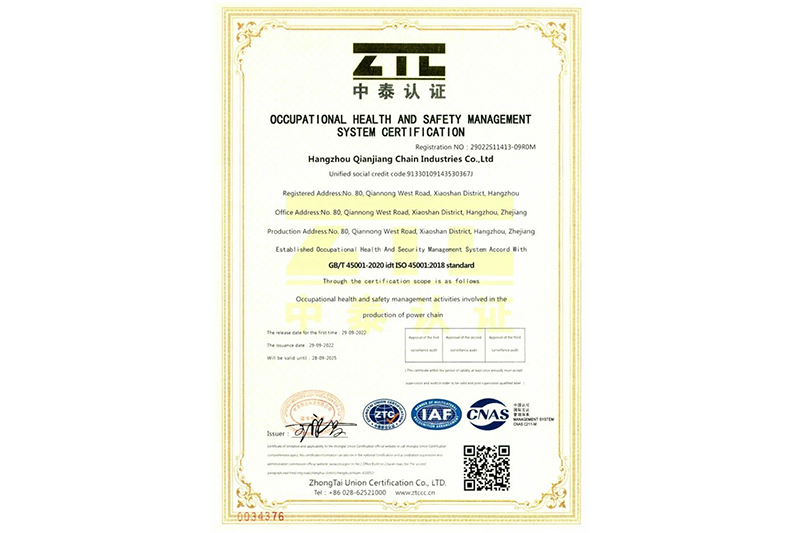
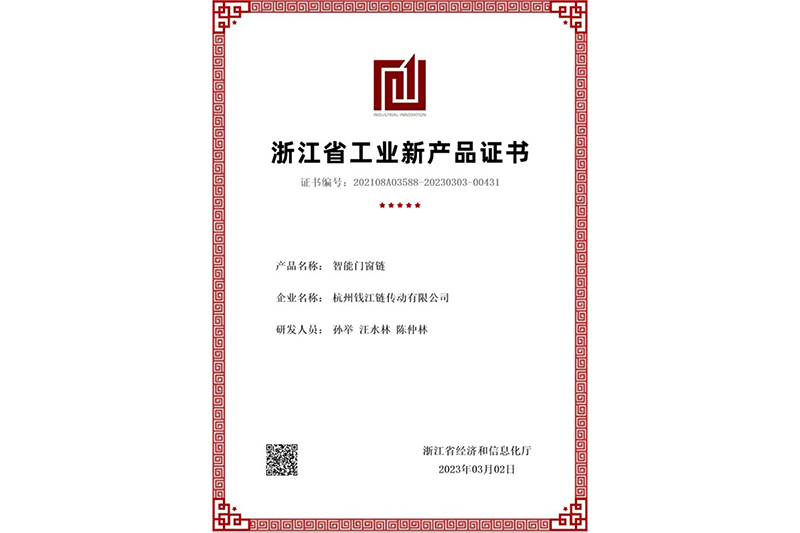
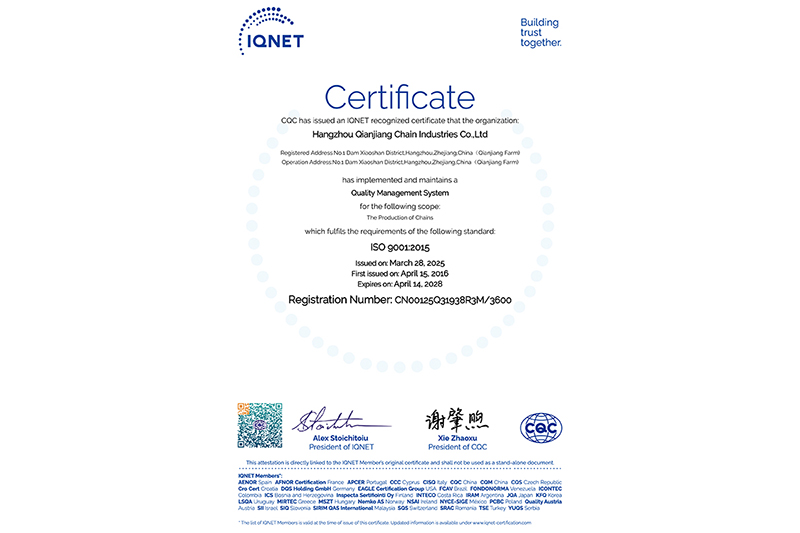
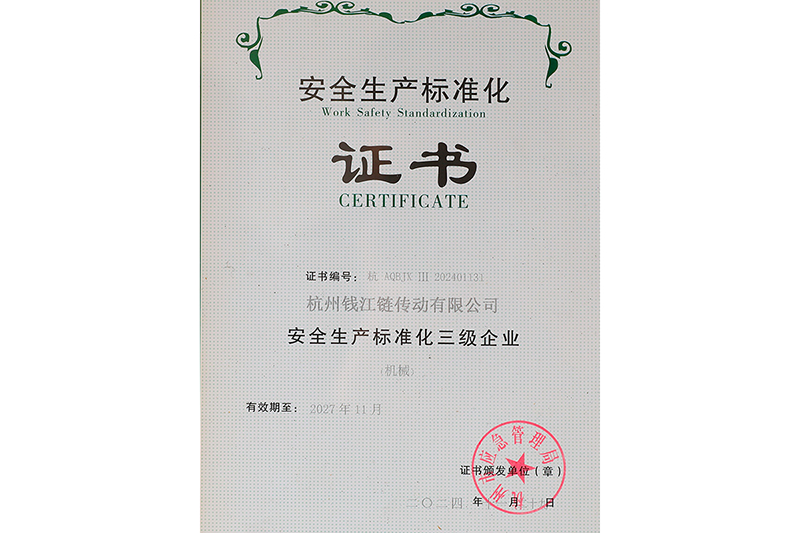
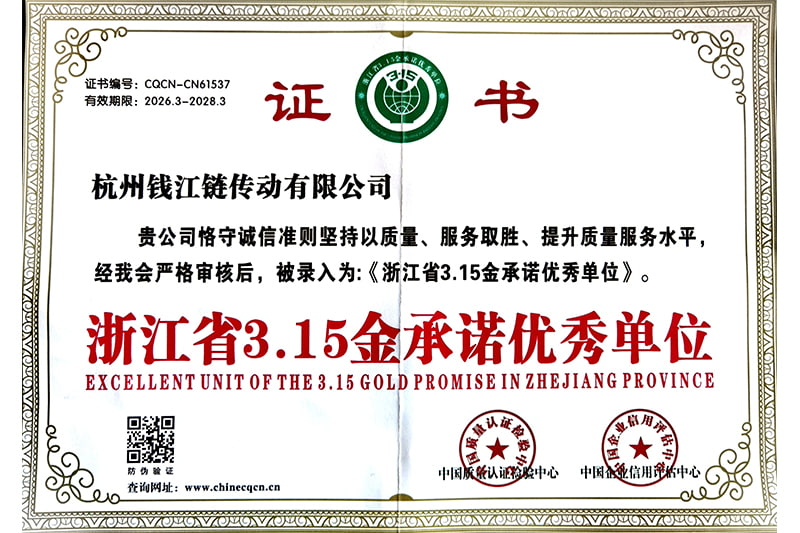
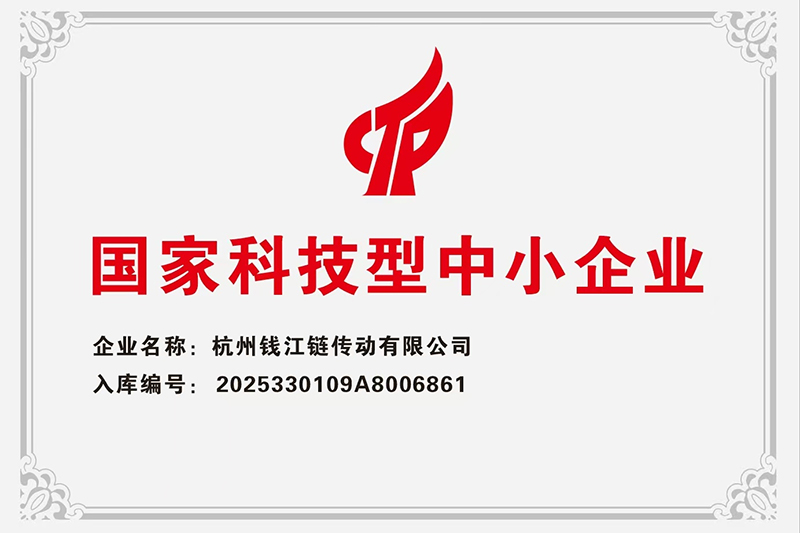
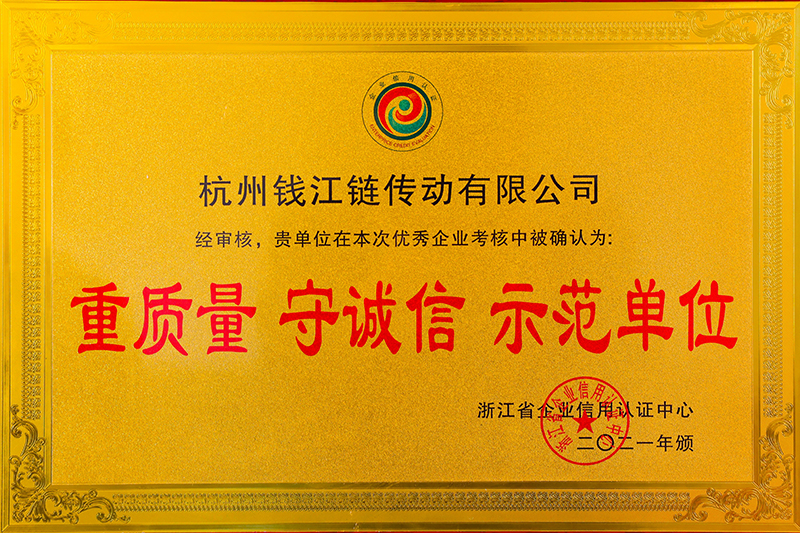
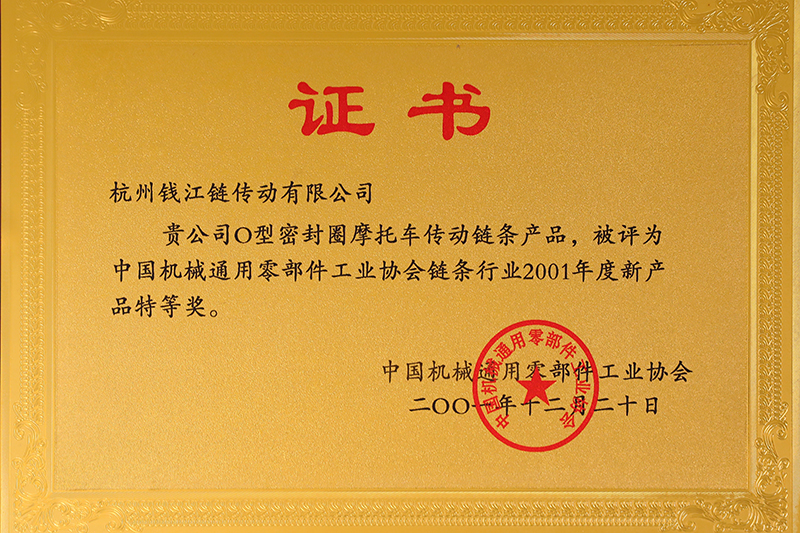
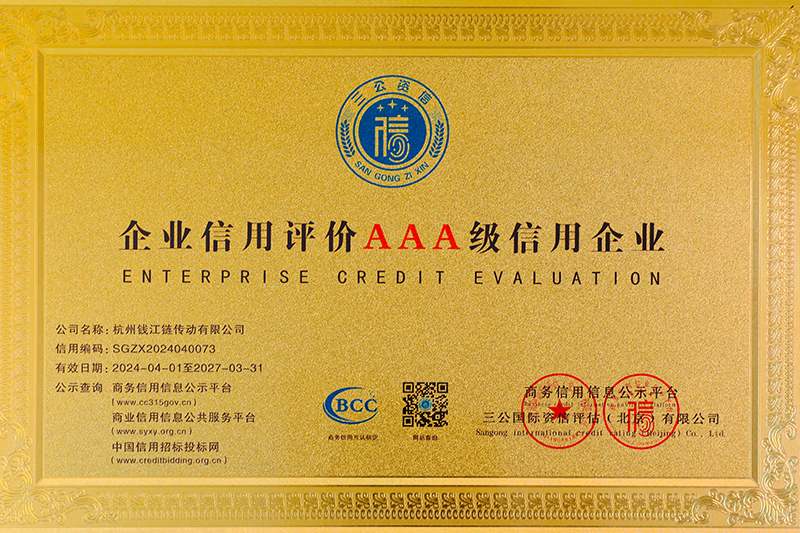
Certificate Of Honor
News
-
When a conveyor line stops because a drive chain has stretched beyond its limit, the cost is not limited to a replacement part. The real cost is downtime, missed deadlines, and a decision made in a hurry that often repeats the same failure months later. The best way to avoid that cycle is to understand what a chain dr...
READ MORE -
Stand in front of a forklift truck and watch the mast move. Hidden inside the rails, a length of leaf chain is taking the entire load of the mast and forks. The same simple component raises lifting platforms, positions machine-tool counterweights, and moves loads in automated warehouses. A leaf chain is made of only t...
READ MORE -
A chain that survives 20,000 km on a dusty road instead of 6,000 km is not usually a matter of luck. It is the difference between a standard roller chain and an oil seal chain. Sealed chains cost more at the point of purchase, but they pay the difference back through fewer tension adjustments, longer sprocket life, an...
READ MORE
Related products
-
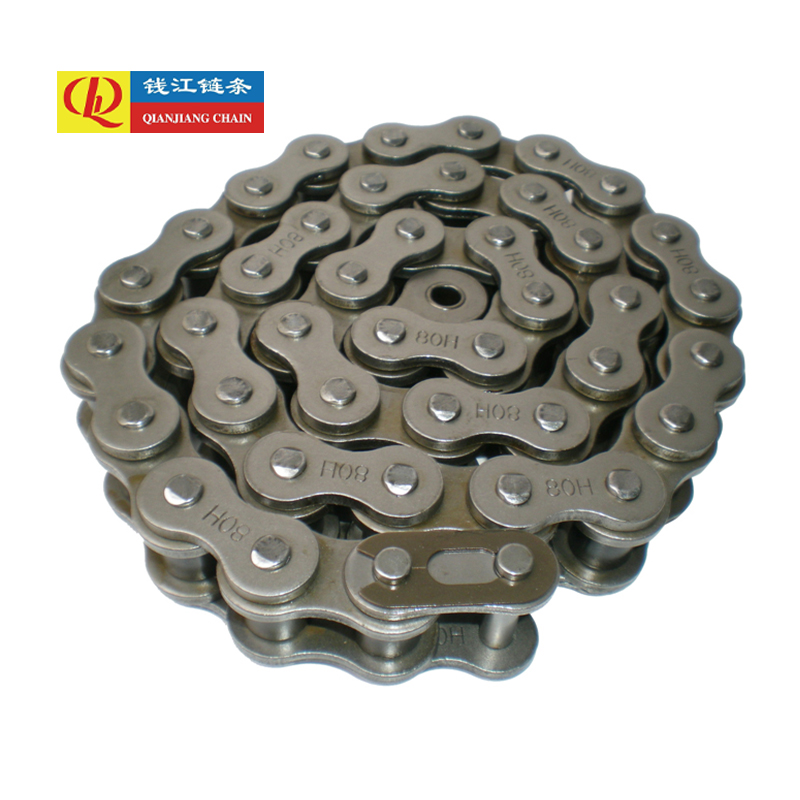
Product Introduction: When it comes to reliable and versatile mechanical power transmission, Heavy Duty Series Type Roller Chains stand out as a top choice for industries worldwide. Designed to withst...
See Details -
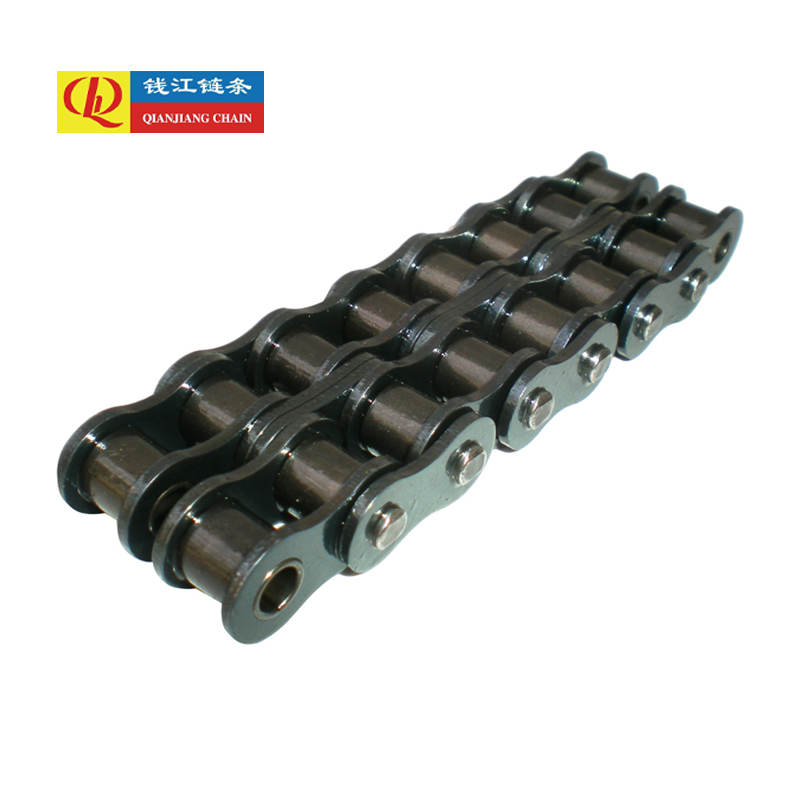
Product Introduction: Corrosion-resistant high-reliability coupling chains are engineered for durability and performance in demanding environments. These chains are designed to resist the damaging eff...
See Details -
Product Introduction: Designed with advanced sealing technology, Mechanical transmission sealed chains provide exceptional protection against contaminants like dust, dirt, and moisture, ensuring smoot...
See Details -
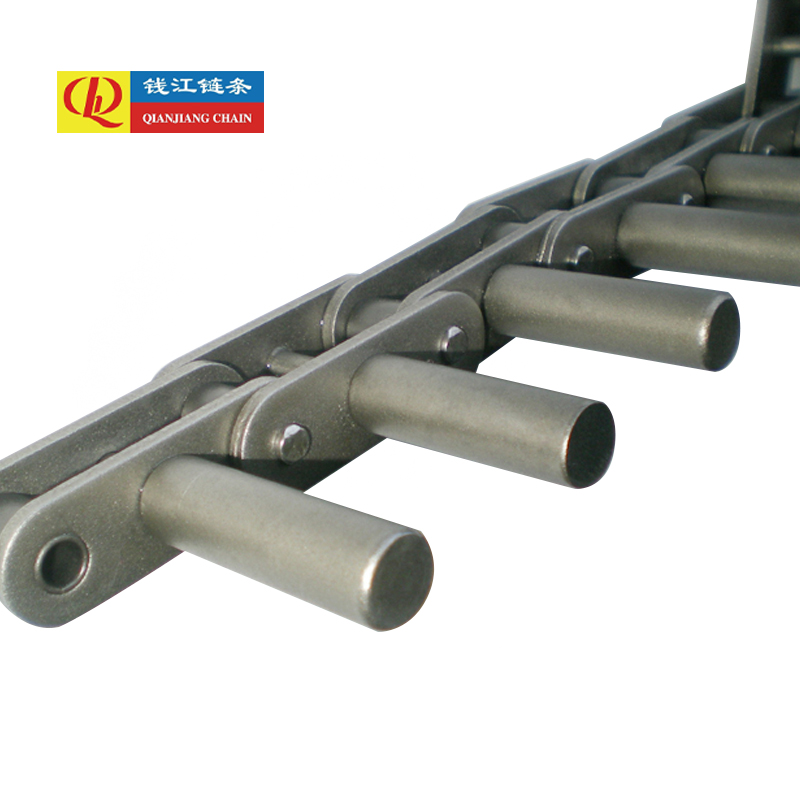
Product Introduction: Double pitch conveyor chains with extended pins are a game-changer in the world of material handling, offering unmatched strength, adaptability, and versatility for various indus...
See Details -
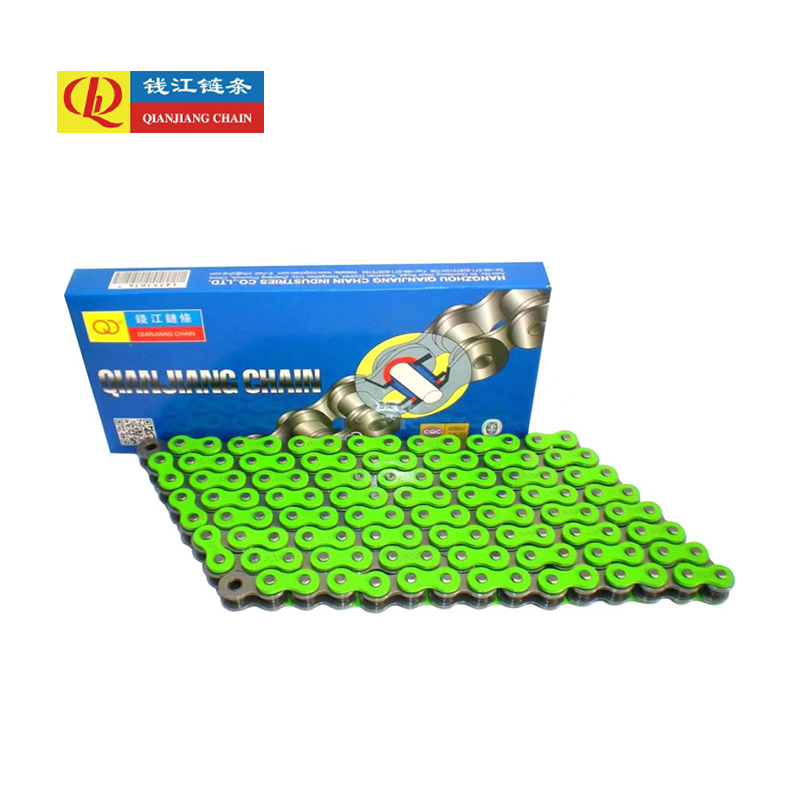
Product Introduction: High Quality Alloy Steel Strong Heavy Duty Motorcycle Chains — engineered for unmatched performance and reliability. Crafted from premium alloy steel, these chains are built to w...
See Details -
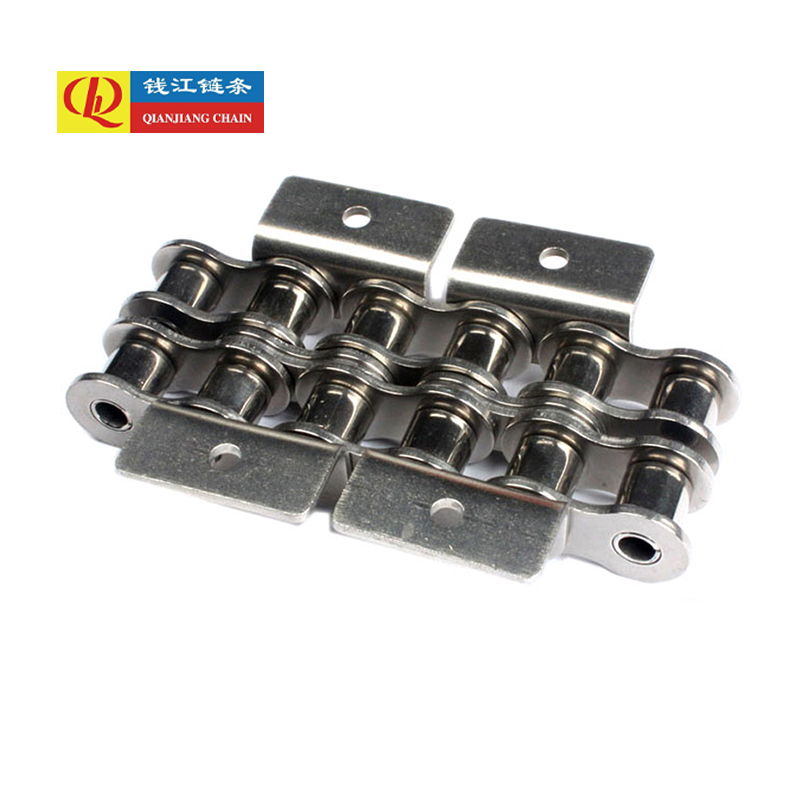
Product Introduction: When it comes to efficient material handling, stainless steel short pitch conveyor chain attachments are the ultimate solution for industries demanding durability, precision, and...
See Details
O-Ring & X-Ring Sealed Chains Industry knowledge
1. Understanding O-Ring Sealed Chains
O-ring sealed chains are commonly used in applications that require high durability and low maintenance. The O-ring is placed between the inner and outer plates of the chain, creating a seal that helps retain lubrication and protects against contaminants. This feature significantly reduces wear, extends the lifespan of the chain, and minimizes the need for frequent maintenance.
Here are the key benefits of O-ring sealed chains:
- Improved lubrication retention
- Protection from dirt and debris
- Longer lifespan and less frequent maintenance
- Enhanced performance in harsh conditions
2. The Benefits of X-Ring Sealed Chains
X-ring sealed chains are similar to O-ring chains but with an enhanced design. The X-shaped ring creates a more effective seal, providing better lubrication retention and preventing contamination. The unique shape of the X-ring reduces friction, leading to smoother operation and longer chain life, especially under high loads.
The advantages of X-ring sealed chains include:
- Superior sealing performance
- Reduced friction and wear
- Increased longevity under heavy loads
- Better resistance to contaminants and dirt
3. Oil Seal Chains: A Practical Choice for Heavy-duty Applications
Oil seal chains are designed with seals that keep oil in the chain, ensuring consistent lubrication. These chains are ideal for environments where the chain operates under high load and requires constant lubrication. The seals are effective in retaining the oil, reducing friction and wear, and ensuring the smooth performance of the chain for extended periods.
Some key advantages of oil seal chains are:
- Maintains constant lubrication for high-performance operations
- Reduces maintenance intervals and downtime
- Extends the chain's service life
- Effective under heavy-duty, high-load applications
4. Choosing the Right Chain for Your Application
Selecting the right chain type—whether O-ring, X-ring, or oil seal—depends on several factors including the operating environment, load requirements, and maintenance preferences. O-ring chains are ideal for general use where moderate protection from dirt and contaminants is needed. X-ring chains provide an advanced seal and are best for heavy-duty applications where minimizing friction and wear is critical. Oil seal chains are specifically designed for situations where constant lubrication is required, particularly in heavy-load operations.
When selecting a chain, consider the following factors:
- Environment and exposure to contaminants
- Load-bearing requirements
- Lubrication needs
- Frequency of maintenance

 +86-13805752016
 +86-571-82875104/82875108
 [email protected]
 No. 80 QianNong West Road, Xiaoshan District, Hangzhou City, Zhejiang Province,China
Copyright © Hangzhou Qianjiang Chain Industries Co., Ltd. All Rights Reserved.
|
 浙公网安备33010902004043号
O-Ring & X-Ring Sealed Chains Manufacturers
浙公网安备33010902004043号
O-Ring & X-Ring Sealed Chains Manufacturers