
 Eng
Eng  中文简体
中文简体Home / News / Industry News / Which Stainless Steel Chain Grade Should You Choose for Corrosive Environments?
Submit feedback
Which Stainless Steel Chain Grade Should You Choose for Corrosive Environments?
Update:17-07-2026
Posted by Admin
Content
- 1 What Makes Stainless Steel Chains Different From Other Chain Materials
- 2 Common Stainless Steel Grades Used in Chain Manufacturing
- 3 Key Applications Where Stainless Steel Chains Perform Best
- 4 How to Choose the Right Stainless Steel Chain for Your Project
- 5 Maintenance Practices That Extend Chain Lifespan
- 6 Common Mistakes to Avoid When Using Stainless Steel Chains
What Makes Stainless Steel Chains Different From Other Chain Materials
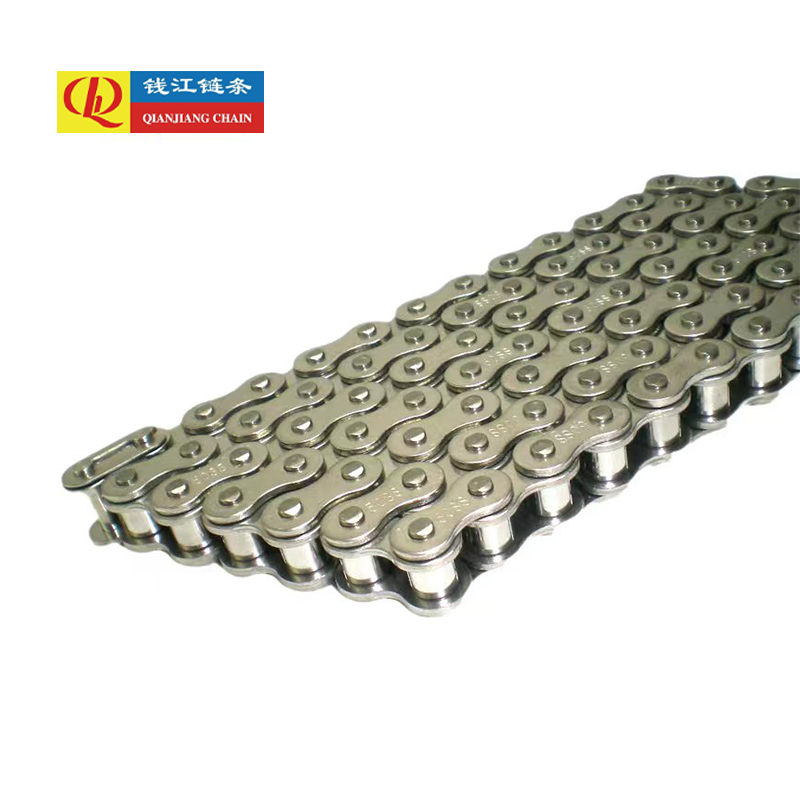
Stainless steel chains are manufactured from alloys that contain a minimum of 10.5% chromium, which forms a thin oxide layer on the surface of the metal. This layer is self-repairing when scratched or exposed to oxygen, giving the chain its signature resistance to rust and pitting. Unlike carbon steel chains, which require regular oiling and protective coatings to avoid corrosion, stainless steel chains can withstand exposure to moisture, chemicals, and washdown environments without rapid degradation. This makes them a preferred choice in industries where hygiene, cleanliness, or exposure to harsh conditions are ongoing concerns.
Beyond corrosion resistance, stainless steel chains also offer good tensile strength, moderate weight, and a smooth surface finish that reduces friction during operation. However, not all stainless steel chains are created equal. The specific alloy grade used in manufacturing has a direct impact on strength, corrosion resistance, and cost, which is why understanding grade differences is essential before making a purchase decision.
Common Stainless Steel Grades Used in Chain Manufacturing
Three grades dominate the stainless steel chain market: 304, 316, and 410. Each offers a different balance of corrosion resistance, mechanical strength, and price, so selecting the right one depends on the specific operating environment.
GradeCorrosion ResistanceStrengthTypical Use304GoodModerateFood processing, general industrial use316ExcellentModerateMarine, chemical, coastal environments410FairHighHeavy load, wear-resistant applications
Grade 304 is the most widely used option because it offers a reasonable balance of cost and performance for standard industrial settings. Grade 316 contains added molybdenum, which significantly boosts resistance to chlorides and acidic substances, making it ideal for marine hardware, offshore equipment, and chemical processing lines. Grade 410 is a martensitic stainless steel that can be hardened through heat treatment, giving it superior strength and wear resistance, though at the cost of reduced corrosion protection compared to 304 or 316.
Key Applications Where Stainless Steel Chains Perform Best
Food and Beverage Processing
Stainless steel chains are a standard component in conveyor systems used for packaging, bottling, and food handling. Their resistance to rust means they can be repeatedly washed down with water and sanitizing agents without breaking down, which helps facilities meet strict hygiene regulations.
Marine and Outdoor Equipment
Boats, docks, and outdoor rigging systems benefit from stainless steel chains because saltwater and humidity accelerate corrosion in ordinary steel. Grade 316 chains are especially common in these settings due to their enhanced chloride resistance.
Chemical and Pharmaceutical Facilities
Facilities that handle acids, solvents, or other reactive substances rely on stainless steel chains to avoid contamination and material failure. The non-reactive surface also reduces the risk of product contamination in sensitive manufacturing environments.
How to Choose the Right Stainless Steel Chain for Your Project
Selecting the correct chain involves more than picking a grade. Buyers should evaluate the working load limit, pitch size, and environmental exposure of the application before finalizing a purchase. The following factors should guide the decision-making process.
- Determine the maximum load the chain will bear during regular operation, including any shock loads.
- Identify the level of chemical or saltwater exposure to select between grade 304 and 316.
- Check the required pitch and link dimensions to ensure compatibility with sprockets or fittings.
- Consider temperature extremes, since some stainless grades lose strength at very high temperatures.
- Confirm whether the application requires certification, such as food-grade or marine-grade compliance.
Working with a supplier who can provide test certificates and material traceability is also important for industries with regulatory requirements, since it confirms the chain meets the stated grade specifications.
Maintenance Practices That Extend Chain Lifespan
While stainless steel chains require less maintenance than carbon steel alternatives, they are not entirely maintenance-free. Regular care can prevent premature wear and maintain consistent performance over time.
- Clean the chain periodically to remove debris, salt buildup, or chemical residue that can cause surface pitting.
- Inspect links regularly for signs of elongation, cracking, or discoloration that may indicate stress or corrosion.
- Apply food-safe or marine-grade lubricant where friction is present, even though stainless steel resists rust.
- Avoid contact with chlorine-based cleaners at high concentrations, as they can degrade the protective oxide layer.
- Store unused chains in a dry area to prevent moisture accumulation between links.
Following a consistent inspection schedule, particularly in high-load or corrosive environments, helps operators catch early signs of wear before they lead to chain failure or unplanned downtime.
Common Mistakes to Avoid When Using Stainless Steel Chains
Even with a durable material like stainless steel, improper selection or handling can shorten a chain's service life. One frequent mistake is assuming all stainless steel grades offer the same level of protection, which can lead to premature corrosion when a lower-grade chain is used in a highly corrosive setting. Another common issue is neglecting to match the chain's working load limit to the actual demands of the application, resulting in stretching or fatigue failure over time.
Improper cleaning practices, such as using abrasive tools or harsh acidic chemicals, can also strip away the protective oxide layer and expose the base metal to corrosion. Finally, failing to verify compatibility between the chain and connected components, such as sprockets or fasteners, can cause uneven wear and reduce overall system efficiency. Avoiding these mistakes through careful planning and routine maintenance ensures that stainless steel chains deliver the long-term performance they are known for.
News
-
I. Introduction Conveyor systems form the backbone of modern industrial automation, enabling the eff...
READ MORE -
1. Introduction 1.1 Definition and Basic Concept of Coupling Chains Coupling chains are mechanical d...
READ MORE -
1. Introduction to Leaf Chains Leaf chains are a type of mechanical chain used in a variety of indus...
READ MORE

 +86-13805752016
 +86-571-82875104/82875108
 [email protected]
 No. 80 QianNong West Road, Xiaoshan District, Hangzhou City, Zhejiang Province,China
Copyright © Hangzhou Qianjiang Chain Industries Co., Ltd. All Rights Reserved.
|
 浙公网安备33010902004043号