
 Eng
Eng  中文简体
中文简体Home / News / Industry News / Rusty Motorbike Chain? Causes, Cleaning, Prevention & Replacement Tips
Submit feedback
Rusty Motorbike Chain? Causes, Cleaning, Prevention & Replacement Tips
Update:14-10-2026
Posted by Admin
Content
- 1 Why Do Motorbike Chains Rust?
- 2 How Rust Affects Chain Performance and Safety
- 3 How to Remove Rust from a Motorcycle Chain
- 4 When Cleaning Is Not Enough: Replacing the Chain
- 5 Preventing Rust with Smarter Maintenance
- 6 Choosing the Right Chain for Tough Riding Conditions
- 7 Building a Complete Chain Care Routine
A rusty motorbike chain is one of the most common sights in any workshop, and for good reason. The chain sits close to the road, exposed to water, dust, salt and temperature swings, and yet it carries the full force of your engine to the rear wheel. When rust appears, it is not just an aesthetic problem. Corrosion attacks the pins, rollers and side plates, and if left untreated it can turn a smooth, quiet drive into a stiff, noisy and genuinely dangerous one.
In this guide, we look at why motorbike chains rust, how to tell whether a rusty chain can still be saved, and what you can do to keep corrosion from taking hold in the first place.
Why Do Motorbike Chains Rust?
Most standard motorcycle chains are made from carbon steel. Carbon steel gives the chain the strength and hardness it needs to handle high loads, but it also means the surface is vulnerable to oxidation when the protective oil film is lost. A chain that is clean and dry may start showing surface rust within hours in humid conditions.
A few common situations accelerate the process:
- Riding in rain or through puddles and then storing the bike without drying the chain.
- Washing the motorcycle with a pressure washer, which flushes away chain grease and forces water into the pins and bushings.
- Riding in coastal areas or on roads treated with de-icing salt in winter.
- Using a solvent-based cleaner that strips the factory lubricant and leaves the chain unprotected.
- Leaving the bike parked for weeks or months without lubrication.
The table below summarises the main causes and the way each one contributes to rust formation.
| Cause | How It Leads to Rust |
|---|---|
| Moisture and humidity | Water on the steel surface reacts with oxygen to form iron oxide. |
| Road salt | Salt accelerates the electrochemical corrosion process. |
| Removed or degraded lubricant | Without an oil film, bare steel is exposed to air and water. |
| Pressure washing | Water penetrates internal chain joints and washes out grease. |
| Long-term storage | Condensation forms on an unlubricated chain over time. |
How Rust Affects Chain Performance and Safety
A thin layer of surface rust may look alarming, but it is not always a reason to panic. The real damage happens when corrosion works its way into the moving parts. The pins and bushings inside the chain are the areas that actually articulate under load, and they are exactly the places where rust causes the most trouble.
Once rust forms on the pins, the links become stiff. A stiff chain cannot flex smoothly as it wraps around the sprockets, so every revolution adds extra strain on the drivetrain. This leads to accelerated wear of both the chain and the sprocket teeth, increased noise and vibration, and higher fuel consumption. In severe cases, a rusted chain can seize completely or even snap while riding.
| Symptom | Effect |
|---|---|
| Stiff links | Rough rotation and jerky power delivery |
| Visible pitting on pins and plates | Reduced fatigue strength and risk of breakage |
| Excessive chain noise | Increased friction and faster sprocket wear |
| Uneven chain tension | Poor handling and accelerated component wear |
If you notice any of these symptoms, it is worth checking the chain immediately rather than waiting for the next service interval.
How to Remove Rust from a Motorcycle Chain
The method you use depends on how far the rust has progressed. Light surface rust can be removed with cleaning and lubrication. Heavy rust with pitting, on the other hand, is a sign that the chain has already lost material and should be replaced.
Cleaning a Chain with Light Surface Rust
Start with these steps:
- Place the bike on a paddock stand so the rear wheel spins freely.
- Apply a gentle chain cleaner or kerosene to a soft brush or cloth. Avoid aggressive acidic rust removers, because they can damage the O-rings or X-rings in sealed chains.
- Work the cleaner over the side plates and rollers, rotating the wheel slowly to cover the full loop.
- Wipe the chain with a clean, dry cloth to remove loosened rust particles.
- If rust remains on the side plates, use very fine steel wool or a brass wire brush, but only on the outer plates. Never force abrasive tools into the gaps between plates and rollers.
- After cleaning, lubricate the chain thoroughly with a quality motorcycle chain lube, then wipe off any excess.
For a chain with surface rust that has not yet created pits or stiff links, this routine can restore smooth operation. However, cleaning only deals with what you can see. Rust that has already penetrated the internal joints cannot be removed from the outside.
When Cleaning Is Not Enough: Replacing the Chain
If the chain has been stiff, makes grinding noises, or shows pitting on the rollers and pins, cleaning will not bring it back to a safe condition. Corrosion inside the joints means the chain has lost its ability to articulate smoothly, and continuing to ride on it will damage the sprockets and could lead to a sudden failure.
Another important point: replacing a chain means checking the sprockets too. A heavily rusted chain wears the sprocket teeth into a hooked profile, and a new chain running on old sprockets will wear out quickly. If you have to replace the chain, inspect both sprockets and replace them if necessary.
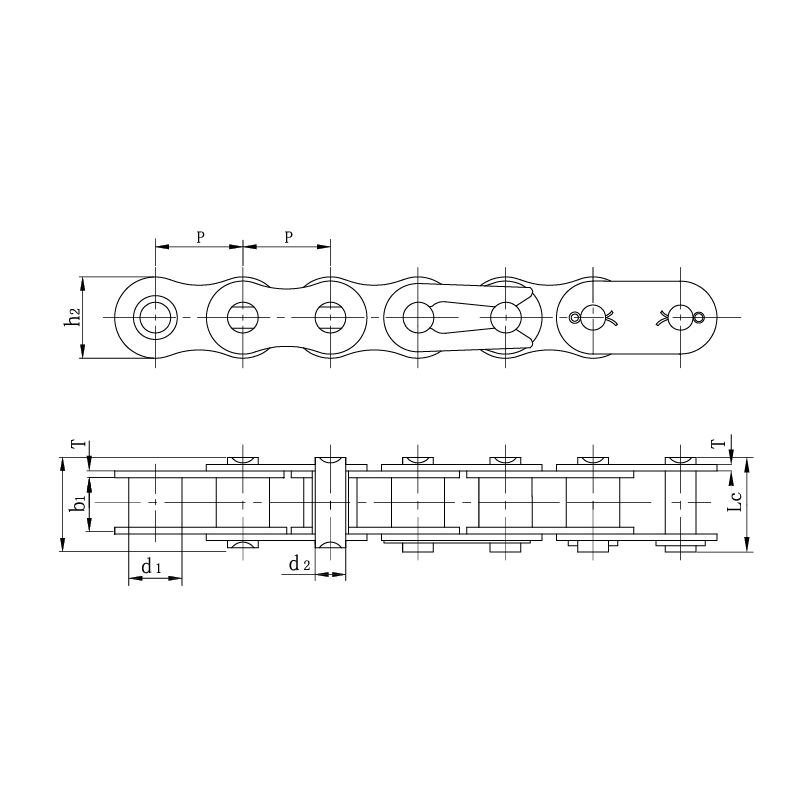 Motorcycle Standard Chains for Reliable Everyday RidingThis standard, non-sealed chain suits street bikes and smaller-displacement motorcycles, offering dependable strength and easy maintenance. Its open design allows quick inspection and lubrication, making it a practical replacement when sprockets are in good condition.View Product →
When you do need a replacement, a standard motorcycle chain from a reputable manufacturer is the straightforward choice for street bikes and smaller-displacement motorcycles. It offers reliable strength, precise pitch accuracy and consistent round-pin performance that keeps the drivetrain smooth.
Preventing Rust with Smarter Maintenance
Rust prevention is not about spending hours on cleaning. It is about building a simple routine and choosing the right equipment for your riding conditions.
Keep a Lubrication Schedule
The oil film on a chain is its primary defence against moisture. Lubricate the chain every 500 km, after wet rides, and before long-distance trips. Use a lubricant designed for motorcycle chains, because it is formulated to penetrate the joints and then cling to the surface. After applying the lubricant, let it soak in for a few minutes and then wipe the outside of the chain. Excess lube on the outer surface only attracts dust and grit.
Consider a Sealed Chain
For riders who want to reduce maintenance and keep rust away from the internal pins, an O-ring or X-ring chain is a sensible upgrade. The rubber rings between the inner and outer plates seal the factory grease inside the joints, so water and road grime stay out. Fewer contaminants mean less corrosion, even in wet and muddy conditions. This is the direction we have pursued in our own R&D, with high-strength oil-seal chain development focused on keeping internal parts protected for longer.
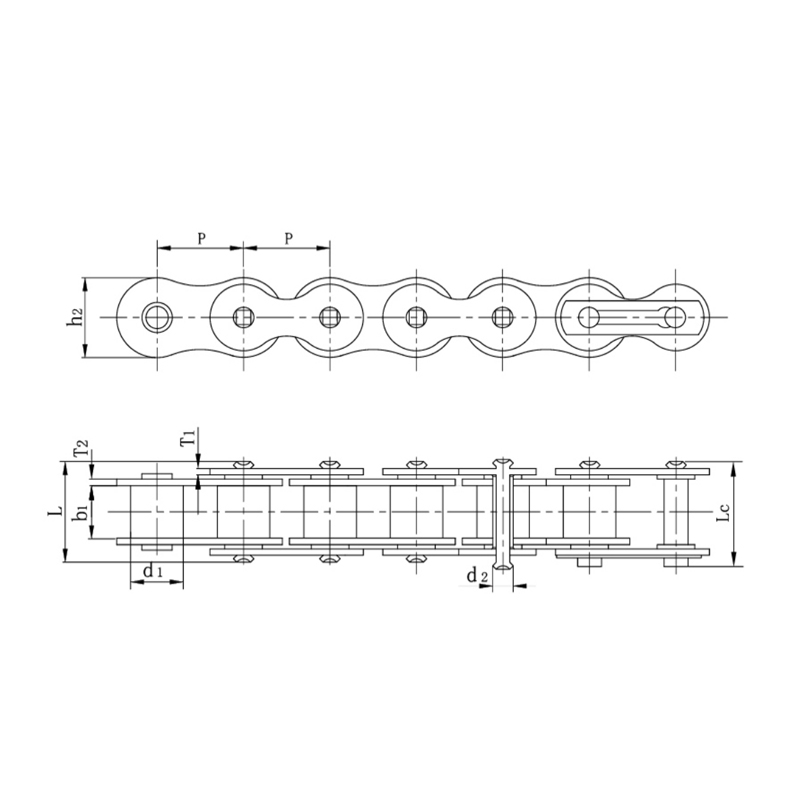 O-ring Motorcycle Chains with Sealed Internal LubricationO-ring chains keep factory grease sealed inside the joints, reducing corrosion and maintenance. They are a sensible upgrade for daily road riding and light touring, tolerating missed lubrication better than unsealed chains while providing smoother power delivery.View Product →
O-ring motorcycle chains are an excellent middle ground for everyday road riding and light touring. They combine the durability of sealed internals with reasonable weight, and they tolerate the occasional missed lubrication better than a standard unsealed chain.
Choosing the Right Chain for Tough Riding Conditions
Riders who regularly deal with dirt, water crossings, mud and off-road grit face a tougher challenge. On an off-road bike, the chain is constantly exposed to abrasive particles that can wear through the side plates and attack the pins. In this kind of environment, a heavy-duty chain designed with thicker plates and hardened steel is the safer choice.
Beyond the choice of chain type, there are a couple of general habits that make a real difference. Dry your chain quickly after washing the bike, and keep it lightly lubricated even when the motorcycle is in storage. If you will not ride for more than a few weeks, raise the rear wheel off the ground and rotate the wheel a little every few days so the chain does not sit in one position and allow corrosion to settle.
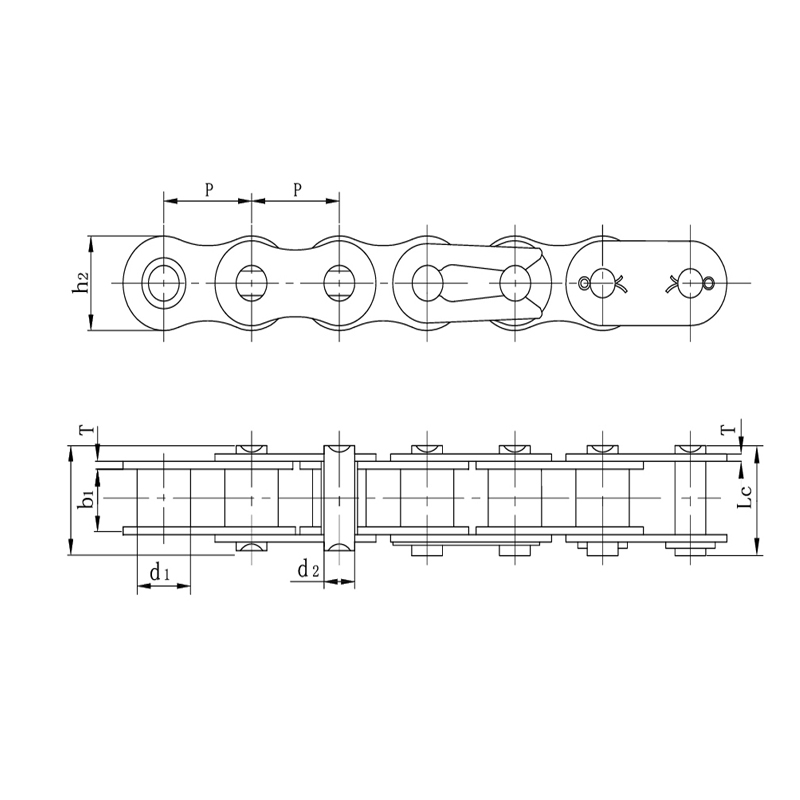 Heavy-Duty Alloy Steel Motorcycle Chains for Extreme ConditionsMade from premium alloy steel, these chains offer extra resistance to stretching and impact, ideal for enduro, motocross, and adventure bikes in harsh terrains. Their robust construction reduces wear and extends service life under demanding use.View Product →
For more demanding terrain, high-quality alloy steel heavy-duty motorcycle chains provide extra resistance to stretching and impact, which makes them well suited to enduro, motocross and adventure bikes that spend their life in harsh conditions.
Building a Complete Chain Care Routine
The best way to deal with a rusty motorbike chain is to never let it get to that point. A short inspection before each ride, a regular clean and lube, and honest judgement about when to replace a chain will keep your drivetrain safe and pleasant to ride.
If you already have a rusty chain, start by assessing the extent of the corrosion, then follow the cleaning steps outlined above. And if you are choosing a new chain, think about the conditions you ride in: a standard chain for easy roads, an O-ring chain for a balance of durability and convenience, or a heavy-duty sealed chain for serious off-road use. With the right chain and a little consistent care, rust becomes a rare problem rather than a regular one.
For a more detailed maintenance schedule and practical tips on keeping your chain in top condition, take a look at our comprehensive motorcycle sealed chain maintenance guide.
News
-
I. Introduction Conveyor systems form the backbone of modern industrial automation, enabling the eff...
READ MORE -
1. Introduction 1.1 Definition and Basic Concept of Coupling Chains Coupling chains are mechanical d...
READ MORE -
1. Introduction to Leaf Chains Leaf chains are a type of mechanical chain used in a variety of indus...
READ MORE

 +86-13805752016
 +86-571-82875104/82875108
 [email protected]
 No. 80 QianNong West Road, Xiaoshan District, Hangzhou City, Zhejiang Province,China
Copyright © Hangzhou Qianjiang Chain Industries Co., Ltd. All Rights Reserved.
|
 浙公网安备33010902004043号