
 Eng
Eng  中文简体
中文简体Submit feedback
How Do You Choose the Right Silent Chain for Your Application?
Update:17-06-2026
Posted by Admin
Content
- 1 What Makes a Silent Chain Different From a Standard Roller Chain
- 2 Types of Silent Chains and Their Tooth Profiles
- 3 Key Features That Affect Silent Chain Performance
- 4 Comparing Silent Chains to Roller Chains and Belts
- 5 Common Applications for Silent Chains
- 6 How to Select the Right Silent Chain for Your Application
- 7 Installation and Maintenance Tips for Longer Service Life
What Makes a Silent Chain Different From a Standard Roller Chain
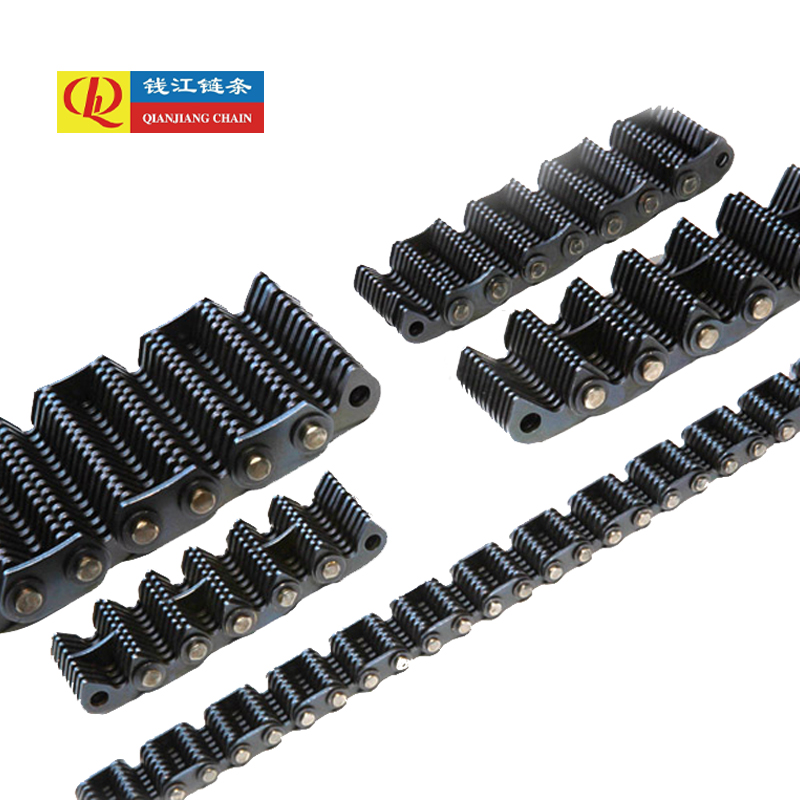
A silent chain, also known as an inverted tooth chain, is built from a series of toothed link plates that mesh directly with the teeth of a sprocket, rather than relying on rollers contacting the sprocket teeth the way a standard roller chain does. This design distributes contact across a wider engagement surface and reduces the impact noise that occurs each time a roller chain's rollers strike the sprocket teeth during operation. The result is a noticeably quieter drive system, which is where the name "silent chain" originates, even though no chain drive is completely silent under load.
Beyond noise reduction, silent chains also tend to run more smoothly at high speeds because the multiple link plates engaging the sprocket simultaneously create a more gradual transfer of load compared to the more abrupt engagement pattern of a roller chain. This smoother engagement reduces vibration and mechanical stress on the drive system, which is part of why silent chains are commonly specified in applications where both noise control and high-speed reliability matter, such as automotive timing systems and industrial machinery requiring precise, consistent power transmission.
Types of Silent Chains and Their Tooth Profiles
Silent chains come in several configurations that affect load capacity, width, and how they are used in different drive systems. Understanding these variations helps narrow down which type fits a specific mechanical application.
Single-Pitch Inverted Tooth Chains
Single-pitch silent chains use a consistent link plate pitch throughout the chain length, with each plate's inverted tooth profile engaging directly with the sprocket teeth. This is the most common configuration used in general industrial power transmission and automotive timing applications, since it offers a good balance of strength, smooth engagement, and manageable size for most drive system layouts. The tooth profile angle, often specified at 60 degrees on each side of the tooth centerline, is standardized across most manufacturers to ensure compatibility with corresponding sprocket designs.
Double-Pitch and Multi-Strand Configurations
Double-pitch silent chains use a longer pitch spacing between link plates, which reduces overall chain weight and cost for lower-speed applications where the longer pitch does not introduce excessive vibration. Multi-strand configurations, where two or more single chains are joined side by side across a common set of pins, increase load capacity significantly without requiring a complete redesign of the sprocket and chain geometry, making them a practical option for heavier-duty applications that exceed the capacity of a single-strand chain but do not justify switching to an entirely different chain system.
Key Features That Affect Silent Chain Performance
Several design and material details determine how well a silent chain performs under real operating conditions, and overlooking these factors during selection often leads to premature wear or unexpected noise issues after installation.
- Pin and bushing material hardness directly affects wear resistance, with case-hardened steel pins offering significantly longer service life under continuous high-load operation.
- Side guide link plates help keep the chain properly tracked on the sprocket, particularly important in applications with side-to-side load variation or vertical chain runs.
- Lubrication retention features, such as oil-impregnated bushings, reduce the frequency of manual relubrication required in enclosed or hard-to-access drive systems.
- Surface coatings, including nickel or chrome plating, improve corrosion resistance for chains operating in humid, washdown, or outdoor environments.
Comparing Silent Chains to Roller Chains and Belts
| Drive Type | Noise Level | High-Speed Capability | Load Capacity |
| Silent Chain | Low | High | High |
| Roller Chain | Moderate to high | Moderate | High |
| Timing Belt | Low | High | Lower |
Common Applications for Silent Chains
Silent chains are widely used across industries that demand reliable power transmission combined with reduced noise output compared to standard roller chains. Their ability to handle high speeds without excessive vibration makes them especially common in applications where precision timing or sustained quiet operation is a design priority.
- Automotive engine timing systems, where precise camshaft synchronization and reduced cabin noise are both important design factors.
- Printing press machinery, where consistent speed control and minimal vibration directly affect print quality and registration accuracy.
- Textile manufacturing equipment, where high-speed operation over long production runs requires a durable, low-maintenance drive solution.
- Material handling and conveyor systems in facilities where noise regulations or workplace comfort standards limit acceptable equipment sound levels.
- Power transmission in agricultural and construction equipment, where durability under variable load conditions is essential.
How to Select the Right Silent Chain for Your Application
Selecting an appropriately sized silent chain begins with calculating the required horsepower or torque transmission capacity based on the driven equipment's actual operating load, including any peak loads that occur during startup or sudden speed changes rather than just steady-state running conditions. Chain pitch and width must then be matched to this calculated capacity using manufacturer-published load rating tables, since undersizing a chain for its intended load leads to accelerated wear and premature failure, while oversizing adds unnecessary cost and weight to the drive system.
Operating speed is another critical factor, since silent chains have published maximum speed ratings that vary based on pitch size and the number of teeth on the smallest sprocket in the system. Running a chain near or beyond its rated speed limit increases noise, accelerates wear, and raises the risk of chain whip or instability, so it is generally advisable to select a chain and sprocket combination that operates comfortably below its maximum rated speed rather than at the absolute limit specified by the manufacturer.
Installation and Maintenance Tips for Longer Service Life
Proper chain tension is one of the most important factors in extending silent chain service life, since a chain installed too tightly experiences excessive bearing and pin wear, while a chain that is too loose increases noise and risk of disengagement from the sprocket under sudden load changes. Most manufacturers recommend a small amount of slack on the chain's slack side, typically measured as a specific sag distance over a given span length, which should be checked and adjusted periodically as the chain naturally elongates slightly through normal wear over its service life.
Lubrication should follow the manufacturer's recommended interval and lubricant type closely, since silent chains rely on consistent lubrication between the pin and bushing surfaces to prevent metal-to-metal wear that accelerates chain elongation. Sprocket alignment should also be verified during installation and rechecked periodically, since misalignment causes uneven wear across the chain width and can introduce additional noise that defeats the purpose of selecting a silent chain in the first place.
News
-
I. Introduction Conveyor systems form the backbone of modern industrial automation, enabling the eff...
READ MORE -
1. Introduction 1.1 Definition and Basic Concept of Coupling Chains Coupling chains are mechanical d...
READ MORE -
1. Introduction to Leaf Chains Leaf chains are a type of mechanical chain used in a variety of indus...
READ MORE

 +86-13805752016
 +86-571-82875104/82875108
 [email protected]
 No. 80 QianNong West Road, Xiaoshan District, Hangzhou City, Zhejiang Province,China
Copyright © Hangzhou Qianjiang Chain Industries Co., Ltd. All Rights Reserved.
|
 浙公网安备33010902004043号