
 Eng
Eng  中文简体
中文简体Submit feedback
Choosing High-Quality Stainless Steel Chains for Long-Term Durability
Update:23-01-2026
Posted by Admin
Content
Stainless steel chains are widely used across industrial, marine, and construction applications due to their strength, corrosion resistance, and long service life. Selecting high-quality chains is essential for ensuring reliable performance, safety, and durability in demanding environments. Poor-quality chains can fail under load, corrode quickly, or suffer deformation, leading to equipment damage or safety hazards.
This article explores the factors to consider when choosing stainless steel chains, including material grade, link design, load capacity, corrosion resistance, and maintenance practices. Understanding these elements allows engineers, buyers, and operators to make informed decisions that optimize safety and longevity.
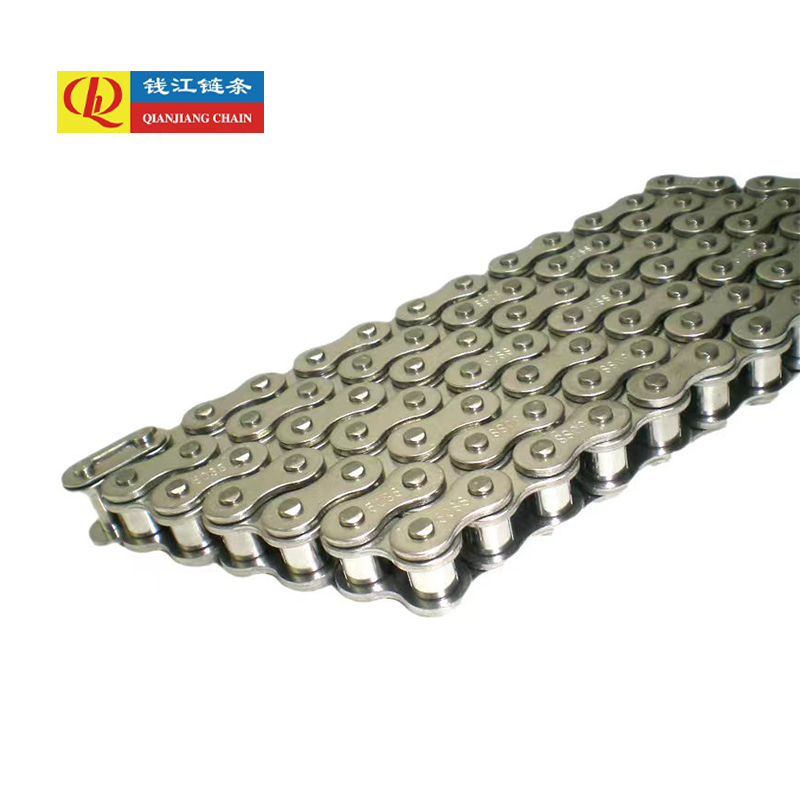
Understanding Stainless Steel Grades
The grade of stainless steel used in chains directly affects strength, corrosion resistance, and suitability for specific applications. Common grades include 304, 316, and 316L. Grade 304 is ideal for general-purpose applications with moderate corrosion exposure, while grade 316 offers superior resistance to chlorides and harsh marine environments. Grade 316L, with lower carbon content, provides enhanced weldability and minimizes corrosion around welded joints.
Selecting the Right Grade
Choosing the correct stainless steel grade depends on the intended environment and load requirements. For outdoor or coastal applications, 316 or 316L is typically recommended due to its enhanced corrosion resistance. For indoor or light-duty applications, 304 may be sufficient. Evaluating the operating conditions ensures that the chain maintains structural integrity over time.
Link Design and Construction
The design of the chain link influences strength, flexibility, and load distribution. Common designs include welded, twisted, and stamped links. Welded links provide high strength and uniform load distribution, making them suitable for lifting or heavy-duty applications. Twisted links offer flexibility, while stamped links are often used for decorative or lightweight purposes.
Ensuring that links are properly welded and free of defects is critical for safety. Chains with uneven welds, sharp edges, or inconsistent dimensions may fail under stress, resulting in accidents or equipment damage.
Load Capacity and Safety Considerations
Load capacity is a key factor when choosing stainless steel chains. Each chain should have a rated working load limit (WLL) and breaking strength clearly specified. Selecting a chain with adequate capacity ensures it can handle expected loads with a safety margin. Overloading a chain can cause permanent deformation, reduced durability, or catastrophic failure.
Safety Factors
Industry standards often recommend using a safety factor of 4:1 or higher for lifting or critical applications, meaning the chain’s breaking strength should be at least four times the intended working load. Adhering to these safety factors reduces the risk of chain failure and ensures reliable long-term performance.
Corrosion Resistance and Environmental Considerations
Corrosion resistance is a defining feature of stainless steel chains, particularly for outdoor, marine, or chemical-exposed environments. Surface finish, stainless steel grade, and protective coatings all affect how well a chain withstands moisture, salt, and other corrosive agents. Polished or passivated surfaces improve resistance to rust and staining, extending service life.
Regular inspection for signs of corrosion, pitting, or wear is critical, especially in harsh environments. Early detection and maintenance prevent failure and prolong the chain’s operational lifespan.
Maintenance Practices for Longevity
Even high-quality stainless steel chains require proper care to achieve long-term durability. Routine maintenance practices include cleaning chains to remove dirt and debris, applying appropriate lubrication for moving applications, and storing chains in dry conditions when not in use. Avoiding exposure to incompatible chemicals and regular load inspections also help maintain performance.
Conclusion
Choosing high-quality stainless steel chains involves careful consideration of material grade, link design, load capacity, corrosion resistance, and maintenance requirements. By understanding these factors and selecting chains appropriate for the intended environment, users can ensure long-term durability, safety, and reliable performance. Investing in quality chains and adhering to proper care guidelines maximizes their lifespan and minimizes risks in demanding industrial, marine, or construction applications.
News
-
I. Introduction Conveyor systems form the backbone of modern industrial automation, enabling the eff...
READ MORE -
1. Introduction 1.1 Definition and Basic Concept of Coupling Chains Coupling chains are mechanical d...
READ MORE -
1. Introduction to Leaf Chains Leaf chains are a type of mechanical chain used in a variety of indus...
READ MORE

 +86-13805752016
 +86-571-82875104/82875108
 [email protected]
 No. 80 QianNong West Road, Xiaoshan District, Hangzhou City, Zhejiang Province,China
Copyright © Hangzhou Qianjiang Chain Industries Co., Ltd. All Rights Reserved.
|
 浙公网安备33010902004043号