
 Eng
Eng  中文简体
中文简体Home / News / Industry News / Agricultural Chains for Tractors, Harvesters, and Other Farm Machinery
Submit feedback
Agricultural Chains for Tractors, Harvesters, and Other Farm Machinery
Update:16-01-2026
Posted by Admin
Content
Introduction to Agricultural Chains
Agricultural chains are critical components in farm machinery, enabling efficient power transmission, load handling, and movement of mechanical parts. From tractors to harvesters and specialized implements, these chains ensure reliable performance under demanding agricultural conditions. Understanding their types, functions, and maintenance requirements is essential for farmers and machinery operators.
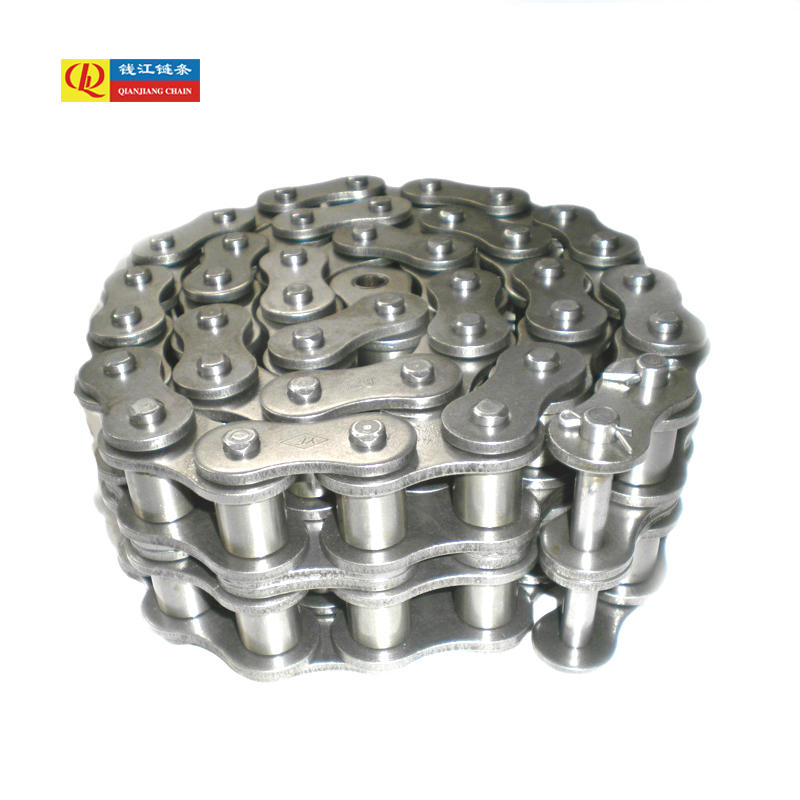
Applications of Agricultural Chains in Farm Machinery
Agricultural chains are designed to handle specific tasks depending on the machinery type. Their applications span from traction and power transmission to material handling and timing mechanisms, ensuring smooth and reliable operation in various agricultural processes.
Tractors
In tractors, chains are primarily used for power transmission in engines, hydraulic systems, and drive mechanisms. Heavy-duty chains allow tractors to operate efficiently on uneven terrain, providing consistent torque and traction while performing plowing, tilling, or hauling tasks.
Harvesters
Harvesters rely on chains for conveying crops, driving cutting mechanisms, and operating threshing systems. Chains in these machines must withstand abrasive materials, high loads, and continuous operation during harvesting seasons. Proper chain selection and maintenance are vital to prevent downtime and reduce wear on critical components.
Other Farm Machinery
Other agricultural equipment, such as balers, planters, and conveyors, also depend on chains for reliable motion and material handling. Chains enable synchronized operation of moving parts, ensuring efficiency in planting, packaging, and transport of agricultural products.
Types of Agricultural Chains
Different types of chains are designed to meet specific agricultural needs. Choosing the correct chain type is essential to optimize performance and longevity.
- Roller Chains: Commonly used for power transmission, providing durability and smooth operation under heavy loads.
- Leaf Chains: Suitable for lifting applications in forklifts or implements that require high tensile strength.
- Conveyor Chains: Used for moving crops or materials within machinery, offering resistance to abrasion and impact.
- Attachment Chains: Designed for specialized functions like harvesting, where chains carry cutting, threshing, or conveying elements.
Material and Coating Considerations
Agricultural chains operate in harsh conditions, including exposure to dirt, moisture, chemicals, and high loads. Selecting the right material and coating ensures reliability and extended service life.
- Carbon Steel: Offers high strength but requires lubrication to prevent rust and wear.
- Alloy Steel: Provides improved fatigue resistance for heavy-duty applications like tractors and harvesters.
- Stainless Steel: Ideal for corrosive environments or food-grade applications.
- Coatings: Zinc plating, black oxide, or polymer coatings enhance corrosion resistance and reduce maintenance frequency.
Maintenance and Troubleshooting
Proper maintenance of agricultural chains ensures consistent performance, reduces downtime, and prevents costly repairs. Regular inspection, lubrication, and timely replacement are key practices.
Inspection and Lubrication
Check chains for wear, elongation, corrosion, or broken links. Lubricate with appropriate oils or greases to minimize friction and prevent premature wear.
Alignment and Tension
Ensure chains are properly aligned and maintain correct tension. Misalignment or loose chains can cause slippage, uneven wear, or damage to sprockets and machinery components.
Replacement Guidelines
Replace chains when elongation exceeds manufacturer specifications or if significant wear or damage is detected. Using compatible replacement chains ensures safety and machine performance.
Comparison of Agricultural Chain Types
The following table summarizes key characteristics of common agricultural chains used in tractors, harvesters, and other machinery:
| Chain Type | Primary Use | Strength | Maintenance Requirement |
|---|---|---|---|
| Roller Chain | Power transmission | High | Moderate lubrication |
| Leaf Chain | Lifting and heavy load | Very High | Regular inspection |
| Conveyor Chain | Material handling | Moderate | Lubrication and alignment check |
| Attachment Chain | Specialized harvesting tasks | High | Frequent wear monitoring |
Conclusion
Agricultural chains are essential for tractors, harvesters, and other farm machinery, ensuring reliable performance under harsh conditions. By selecting the correct chain type, material, and coating, and by following proper maintenance practices, operators can maximize efficiency, extend equipment life, and reduce operational costs. Understanding the specific requirements of each machine and application is key to successful agricultural operations.
News
-
I. Introduction Conveyor systems form the backbone of modern industrial automation, enabling the eff...
READ MORE -
1. Introduction 1.1 Definition and Basic Concept of Coupling Chains Coupling chains are mechanical d...
READ MORE -
1. Introduction to Leaf Chains Leaf chains are a type of mechanical chain used in a variety of indus...
READ MORE

 +86-13805752016
 +86-571-82875104/82875108
 [email protected]
 No. 80 QianNong West Road, Xiaoshan District, Hangzhou City, Zhejiang Province,China
Copyright © Hangzhou Qianjiang Chain Industries Co., Ltd. All Rights Reserved.
|
 浙公网安备33010902004043号